


[ad_1]
The move comes 13 years after the Centre issued its first draft notification to demarcate ESAs in the Western Ghats. Once notified, these areas will face stricter curbs on mining, polluting industries, and large construction projects.
The development has renewed attention on India’s framework for identifying and protecting ecologically fragile regions. What exactly are ESAs, how are they identified, and which other areas across the country enjoy similar protection?
What are Ecologically Sensitive Areas?
ESAs, also called Eco-Sensitive Zones (ESZs) in some contexts, are designated regions identified for special environmental protection because of their rich biodiversity, fragile ecosystems or critical ecological functions. Notified under the Environment (Protection) Act, 1986, these areas act as “shock absorbers” around ecologically important landscapes due to their high ecological value, biodiversity, or historical significance by regulating activities that could damage the environment.
The concept gained prominence under India’s National Wildlife Action Plan (2002-2016), which recognised that areas surrounding national parks, wildlife sanctuaries and wildlife corridors are often crucial for maintaining ecological connectivity. Protecting these buffer areas meant helping habitats stay connected and support the long-term survival of wildlife.
The extent of an ESA is determined on a case-by-case basis. Around protected areas such as national parks and wildlife sanctuaries, eco-sensitive zones can extend up to 10 kilometres from their boundaries. However, ecologically important corridors and landscape linkages that lie beyond this limit can also be included.
The Supreme Court, in a ruling in June 2022, directed that every protected forest, national park and wildlife sanctuary across the country should have a mandatory eco-sensitive zone of at least one kilometre from its demarcated boundary. The court said these buffer areas were essential to shield fragile ecosystems from the impact of human activity and ensure ecological connectivity.
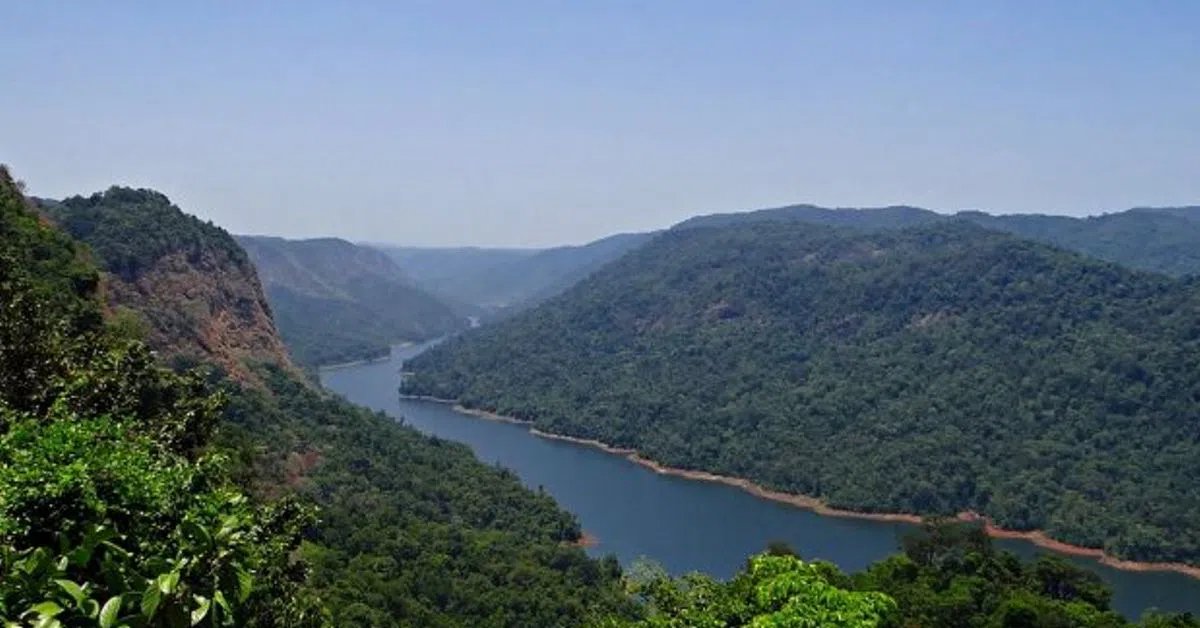
In the case of the Western Ghats, the proposed ESA covers over 56,000 square kilometres across six states, based largely on the 2013 recommendations of the K Kasturirangan committee, which identified ecologically important “natural landscapes” that require stronger protection.
What protection do ESA areas get?
Being designated an ESA does not mean a halt to all human and economic activities. Instead, it means certain activities are prohibited, some are tightly regulated, while others are encouraged to ensure development does not come at the cost of ecological damage.
The exact restrictions depend on the area’s ecological significance and the final notification issued by the Centre. Activities such as mining, quarrying, thermal power projects, highly polluting industries and large construction projects are often prohibited or tightly regulated within ESAs.
Regulated activities in ESAs include felling of trees, establishment of hotels and resorts, commercial use of natural water, erection of electrical cables, drastic change of agricultural system, e.g., adoption of heavy technology, pesticides etc, widening of roads.
At the same time, environment-friendly practices, such as organic farming, rainwater harvesting and adoption of green technology, are encouraged in such areas.
Getting an ESA status also means that any development project in the area will be subject to stricter environmental scrutiny, and the government will need to consider factors such as biodiversity, wildlife movement, water resources and ecological connectivity before approving new projects.
In the case of the Western Ghats, the proposed ESA notification seeks to ban or heavily restrict new mining and quarrying projects, thermal power plants, red-category industries, and new construction or expansion projects with a built-up area of 20,000 square metres or more.
Which other areas in India have been designated ESAs?
The Centre has notified hundreds of protected areas, including national parks, wildlife sanctuaries and wetlands, as eco-sensitive zones to regulate development and preserve ecological connectivity.
In January this year, the Ministry of Environment, Forest and Climate Change notified an Eco-Sensitive Zone around the Kumbhalgarh Wildlife Sanctuary in Rajasthan’s Aravalli range to help conserve the sanctuary’s rich biodiversity while supporting local communities that depend on the landscape.
Several other ecologically important regions protected through ESA or ESZ notifications are:
-
Kaziranga-Karbi Anglong landscape, Assam -
Gir National Park, Gujarat -
Ranthambore Tiger Reserve, Rajasthan -
Sundarbans, West Bengal -
Great Indian Bustard habitats in Rajasthan and Gujarat -
Bhagirathi Eco-Sensitive Zone, Uttarakhand -
Chilika Lake, Odisha, and Deepor Beel, Assam
[ad_2]
Source link