


[ad_1]
The Centre has ordered corrective measures following the Jitu Munda incident, which triggered nationwide outrage and concerns over how financial institutions treat tribal and vulnerable customers. The manager of Odisha Gramya Bank’s Malliposi branch in Keonjhar district has also been suspended in connection with the incident.
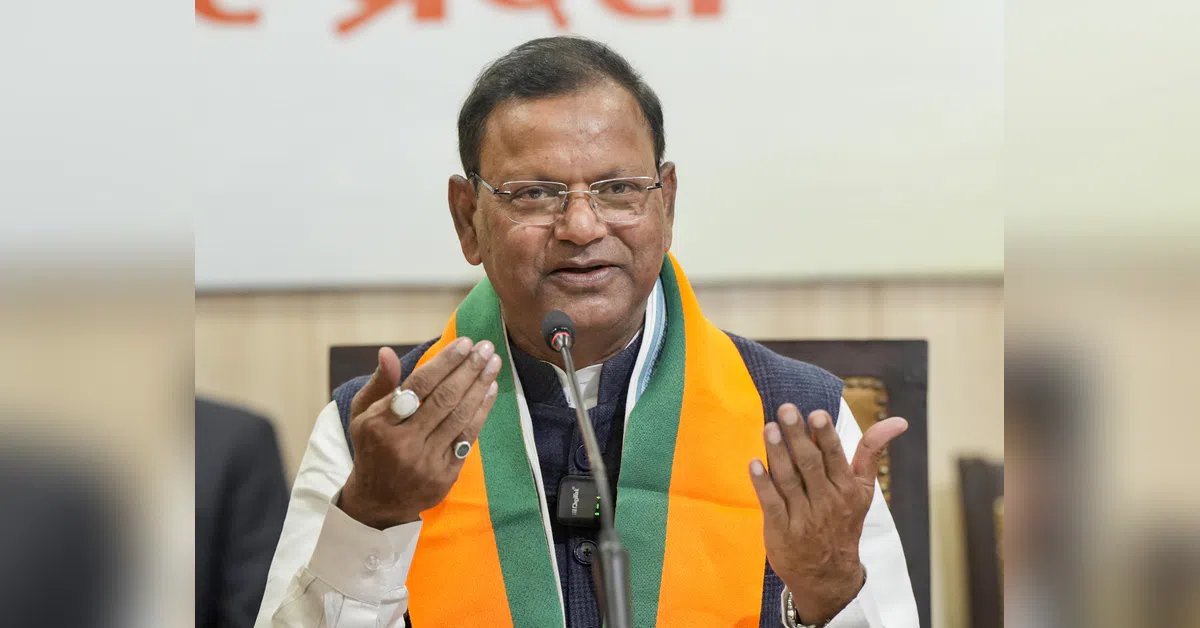
Union Minister of State for Finance Pankaj Chaudhary has informed Leader of the Opposition and former Odisha Chief Minister Naveen Patnaik about the action taken. In a letter to Patnaik, he said the Department of Financial Services (DFS) viewed the incident seriously and directed appropriate measures.
Besides suspending the branch manager, Odisha Gramya Bank has issued instructions to all field-level officials to ensure compassionate and transparent customer service, while the DFS has circulated a nationwide advisory to all Regional Rural Banks (RRBs) to prevent the recurrence of similar incidents.
The response from the Centre came in the wake of a letter written by Patnaik to Union Finance Minister Nirmala Sitharaman on May 2 seeking exemplary action against officials of the bank over the Keonjhar incident.
Describing the incident as “deeply shocking” and a reflection of institutional insensitivity towards vulnerable citizens, the former chief minister had demanded immediate disciplinary proceedings against the officials responsible and accountability at every level of the bank administration.
The controversy erupted on April 27 when Munda, a tribal resident of Dianali village in Keonjhar district, allegedly carried the skeletal remains of his deceased sister to the Malliposi branch of Odisha Gramya Bank after repeatedly failing to access money deposited in her account.
Images and videos of the incident went viral on social media, drawing widespread criticism and raising questions about the sensitivity of banking services in remote tribal regions.
Although the bank denied allegations that its staff had asked Munda to physically produce proof of death and said branch officials had informed him about the standard claim settlement process, an inquiry conducted by Revenue Divisional Commissioner (Northern Range) Sangram Keshari Mohapatra indicated that the bank was at fault and that staff members did not adequately cooperate with the tribal man despite his repeated visits.
Patnaik, in his letter to Sitharaman, said the clarification showed a disturbing intent on the part of bank officials to hide behind procedures and abandon the very people they are meant to serve.
“In a democracy, rules are meant to empower citizens, not to humiliate them,” he said, adding that the incident, though isolated, highlighted the need for a more humane banking administration, especially in remote tribal areas.
Responding to Patnaik’s concerns, the Ministry of Finance said Odisha Gramya Bank had informed it that the deceased account holder had no surviving nominee and that settlement of the claim required submission of prescribed documents, including a death certificate and legal heir certificates.
According to the ministry, intervention by the local administration helped the family obtain the required documents, following which the bank settled the claim amount of Rs 19,402 in favour of Munda and two other legal heirs.
While acknowledging the procedural requirements involved in claim settlement, the DFS stressed that banking regulations must be implemented with empathy, sensitivity and effective communication.
The ministry observed that customers, particularly those from rural and tribal communities, should not be made to suffer because of a lack of guidance or assistance from bank officials.
[ad_2]
Source link