

[ad_1]
The Delhi Cabinet on Monday approved a new Electric Vehicle (EV) Policy that will come into effect from July 1.
She described the policy as a step towards making Delhi a pollution-free city by March 31, 2030.
The policy is going to offer incentives for EV buyers and sets out a roadmap for the gradual transition to electric vehicles. Here’s what changes from July 1:
Road tax and registration fee exemption
Under the new policy, electric cars with an ex-showroom price of up to ₹30 lakh registered in Delhi will receive a complete exemption from road tax and registration fees.
The policy document states that electric vehicles registered in Delhi during the policy period will be eligible for 100 per cent exemption from road tax and registration charges, subject to specified conditions. However, electric cars priced above ₹30 lakh will not qualify for the exemption.
Subsidies for electric two-wheelers
People purchasing electric two-wheelers will be eligible for subsidies that decline over time.
The policy provides an incentive of ₹10,000 per kWh, capped at ₹30,000, during the first year from the date of notification. In the second year, the incentive will be ₹6,600 per kWh, up to ₹20,000, while in the third year it will be ₹3,300 per kWh, capped at ₹10,000. The benefit will be available for vehicles with an ex-factory price of up to ₹2.25 lakh.
Incentives for electric auto-rickshaws and trucks
The government has also announced incentives for electric three-wheelers.
Buyers of electric auto-rickshaws will receive ₹50,000 in the first year, ₹40,000 in the second year and ₹30,000 in the third year. The incentive will apply to both new registrations and the replacement of older CNG auto-rickshaws operating with Delhi permits.
For N1-category electric goods vehicles, or light commercial e-trucks, the policy provides an incentive of up to ₹1 lakh in the first year, followed by ₹75,000 in the second year and ₹50,000 in the third year.
A dedicated online platform will be created to enable applicants to seek EV-related incentives under the policy.
Scrapping benefits for vehicle owners
The policy includes incentives for vehicle owners who scrap older vehicles and switch to electric alternatives.
Owners of BS-IV and older cars who purchase an electric car priced up to ₹30 lakh after scrapping their existing vehicle will be eligible for a scrapping incentive of ₹1 lakh, according to the policy document.
The benefit will be available for purchases made within six months of obtaining a certificate from an authorised vehicle scrapping facility.
The draft policy also proposed scrapping incentives of ₹10,000 for eligible two-wheelers, ₹25,000 for three-wheelers and ₹50,000 for N1-category electric trucks.
According to reports, the government is considering a ₹5,000 scrapping incentive for e-rickshaws registered between 2015 and 2022 and ₹15,000 for Gramin Sewa vehicles that are replaced with electric alternatives, though a final decision on these proposals has yet to be taken.
EV-only registrations to be introduced in phases
The policy lays down timelines for the gradual shift towards electric mobility across key vehicle categories.
According to the policy document, only electric three-wheelers will be permitted for new registration in Delhi from January 1, 2027. From April 1, 2028, only electric two-wheelers will be eligible for new registration in the city.
The policy states that these measures are intended to accelerate the adoption of electric vehicles and reduce dependence on internal combustion engine vehicles. It states that vehicular emissions are a major contributor to air pollution in Delhi and that two-wheelers account for a large share of the city’s vehicle population.
Charging infrastructure push
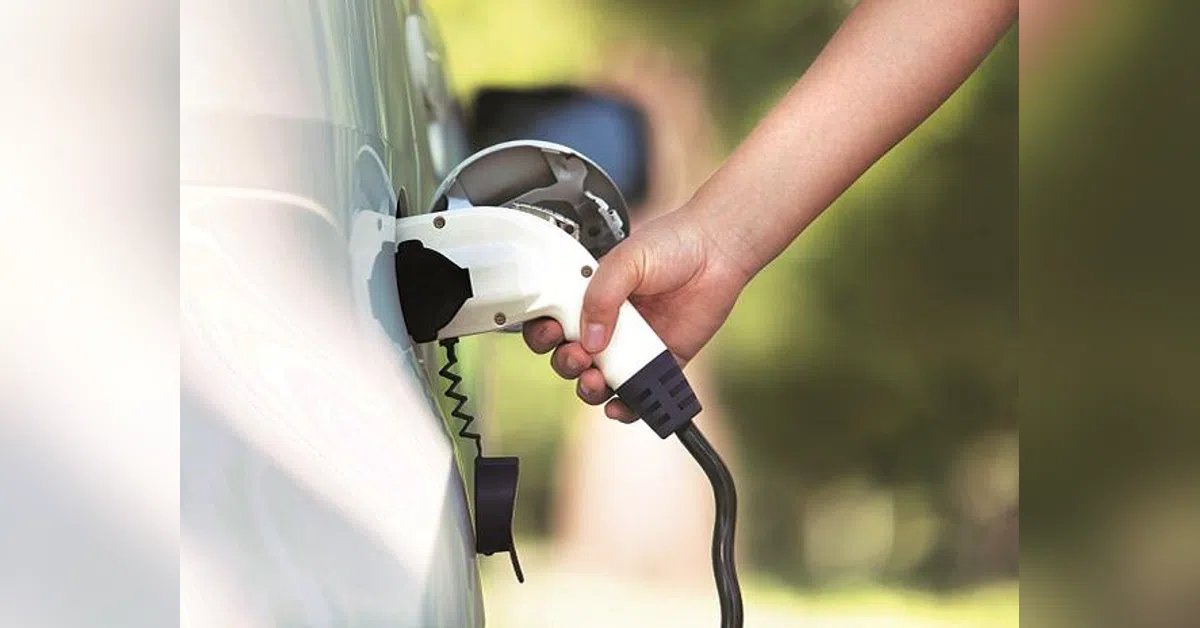
The government has proposed a wider rollout of charging and battery-swapping infrastructure to support the EV transition.
The policy envisages financial support through central and state schemes, while Delhi Transco Limited has been designated as the nodal agency for planning, coordinating and implementing public charging and battery-swapping infrastructure across the city.
A single-window clearance mechanism is also proposed to facilitate quicker approvals for charging station operators.
The policy further requires original equipment manufacturers (OEMs) operating in Delhi to ensure the availability of public charging facilities at dealerships.
Focus on schools, aggregators and government fleets
The policy also introduces electrification requirements for school buses, government fleets and commercial operators.
Schools will be required to increase the share of electric buses in their fleets over time, reaching 30 per cent by March 31, 2030. Fleet aggregators and delivery service providers will face restrictions on inducting new petrol- and diesel-powered vehicles in specified categories, while all new hired or leased vehicles for the Delhi government will be electric, except for the exempted categories.
[ad_2]
Source link