

[ad_1]
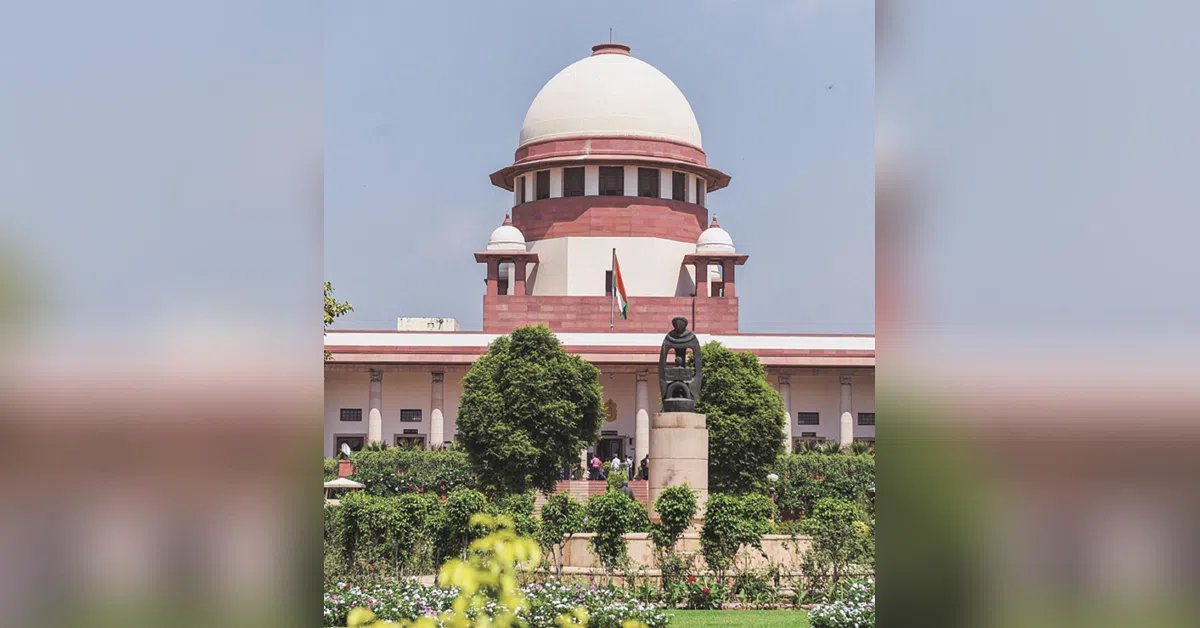
The Supreme Court on Thursday adjourned to July 29 a batch of petitions concerning ethanol allocation for Dedicated Ethanol Plants (DEPs) for the Ethanol Supply Year (ESY) 2025-26, after the Centre assured the court that it was working on an equitable solution for all stakeholders.
A Bench of Justices M M Sundresh and Prasanna B Varale directed that service of notice in the connected transfer petitions and appeals be completed before the next hearing.
During the proceedings, counsel for the ethanol manufacturers requested Attorney General R Venkataramani to facilitate discussions with senior government officials to resolve the dispute outside court. The Bench acknowledged the request and observed that an administrative solution could be explored even as the legal issues remained pending.
Appearing for Bharat Petroleum Corporation Limited (BPCL) and other oil marketing companies (OMCs), Venkataramani argued that granting relief to one manufacturer would inevitably affect other similarly placed suppliers because the available offtake (the purchase or removal of goods from a market, or the actual volume of goods sold to end consumers) was limited.
He submitted that redistributing the shortfall would require the government to choose between competing claimants, with every supplier likely to seek identical treatment.
Stressing the practical difficulties in revising allocations, the Attorney General said the government had no intention of favouring any particular party and was attempting to evolve a balanced approach.
He informed the Bench that discussions were taking place at the highest level to identify the most appropriate solution and assured the court that the OMCs would “try to give fair and equal allocation.”
On behalf of the Dedicated Ethanol Plants, senior counsel argued that the manufacturers had established facilities exclusively to supply ethanol to OMCs under long-term procurement arrangements and had invested substantial sums on that basis. They urged the Attorney General to convene a meeting with senior officials to find a practical resolution.
The Bench noted the competing commercial interests involved and said that efforts to resolve the matter administratively could proceed alongside the judicial process.
The dispute began after VINP Distilleries challenged the ethanol allocation for ESY 2025-26, seeking an increase in allocation under its long-term procurement agreement with BPCL. The Karnataka High Court directed the OMCs to consider the company’s representation before finalising the tender process.
Challenging that order, BPCL contended before the Supreme Court that nearly 75 similarly placed suppliers had approached different High Courts and that such directions would disrupt the nationwide ethanol allocation process. It argued that the procurement agreement only required best-efforts procurement and did not create any enforceable right to a specific allocation.
When the matter first came up on June 30, a vacation Bench directed the parties to maintain status quo and ordered that VINP Distilleries’ representation should not be decided until the next hearing.
[ad_2]
Source link