
[ad_1]
While such reversals have been uncommon, there have been several instances since 2014 where the Centre withdrew legislation, amended laws, delayed implementation or dropped proposals following protests or opposition.
1. Land Acquisition Amendment Bill (2015)
The proposed changes eased consent requirements and social impact assessment for projects in areas such as defence, rural infrastructure, affordable housing and industrial corridors.
In August 2015, Prime Minister Narendra Modi announced that the ordinance would not be renewed. In his Mann Ki Baat address, he said the government had decided to let the ordinance lapse and requested states to use the existing law to pursue development projects while protecting farmers’ interests.
The Centre later encouraged states to amend their own land acquisition laws within the framework of the 2013 Act.
2. MJ Akbar resigns amid #MeToo allegations (2018)
M J Akbar resigned as Minister of State for External Affairs in October 2018 after several women accused him of sexual misconduct during India’s #MeToo movement. He denied the allegations and filed a criminal defamation case against journalist Priya Ramani. Akbar became the first Union minister in the Modi government to step down amid public pressure. The #MeToo movement started in 2006 by activist Tarana Burke to support survivors of sexual violence. It gained global momentum in October 2017 after actor Alyssa Milano urged people to share their experiences using the hashtag following allegations against Hollywood producer Harvey Weinstein. The campaign soon spread to India, where women across sectors, including media, entertainment and politics, publicly accused influential men of sexual harassment and misconduct.
3. SC/ST Act amendment after Supreme Court ruling (2018)
In March 2018, the Supreme Court issued directions preventing the alleged misuse of the Scheduled Castes and Scheduled Tribes (Prevention of Atrocities) Act, which included safeguards such as preliminary inquiries before arrests in certain cases.
The judgment triggered nationwide protests by Dalit organisations, which argued that the directions diluted the protections available under the law.
Parliament responded by passing the Scheduled Castes and the Scheduled Tribes (Prevention of Atrocities) Amendment Act, 2018. The amendment restored the original provisions by removing the requirement for a preliminary inquiry before registration of an FIR and by clarifying that prior approval would not be needed before arresting a public servant or any other person accused under the Act.
In February 2020, the Supreme Court upheld the constitutional validity of the amendment, and observed that Parliament was competent to restore the legal position through legislation.
4. Repeal of the three farm laws (2021)
The Centre enacted three farm laws in 2020, saying they would give farmers greater marketing choices, promote contract farming and encourage private investment in agricultural infrastructure.
The laws sparked year-long protests, particularly by farmer unions from Punjab, Haryana and western Uttar Pradesh, who demanded their complete repeal.
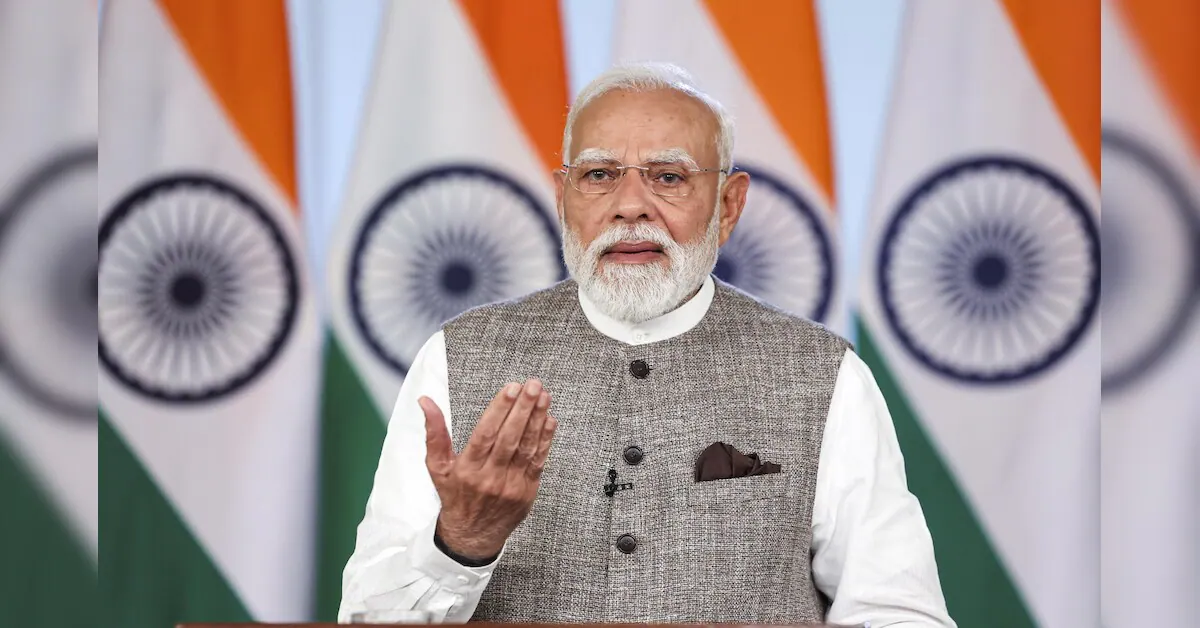
On November 19, 2021, Prime Minister Narendra Modi announced that the government had decided to repeal the three laws.
Addressing the nation, PM Modi said, “Today, I have come to tell you, the entire nation, that we have decided to repeal all the three farm laws.” He also said the government had been unable to convince a section of farmers despite its efforts.
Parliament had passed the Farm Laws Repeal Bill, 2021 during the Winter Session without debate.
5. Delay in implementing the Citizenship (Amendment) Act
The law triggered protests across several parts of the country in late 2019 and early 2020.
Although the Act received Presidential assent in December 2019, the government did not notify the rules required for its implementation for more than four years. The rules were finally notified in March 2024, ahead of the Lok Sabha elections.
6. Lateral entry recruitment withdrawn (2024)
In August 2024, the Union Public Service Commission (UPSC) issued a notification for lateral recruitment to 45 posts of Joint Secretary, Director and Deputy Secretary in various central government departments.
The proposal drew criticism from opposition parties, which argued that it bypassed reservation provisions available in regular civil services recruitment.
Following the political backlash, Union Minister Jitendra Singh wrote to the UPSC requesting cancellation of the recruitment process. He said the Modi government remained committed to social justice and that recruitment through lateral entry should align with the principles of reservation.
The UPSC subsequently withdrew the advertisement.
[ad_2]
Source link