

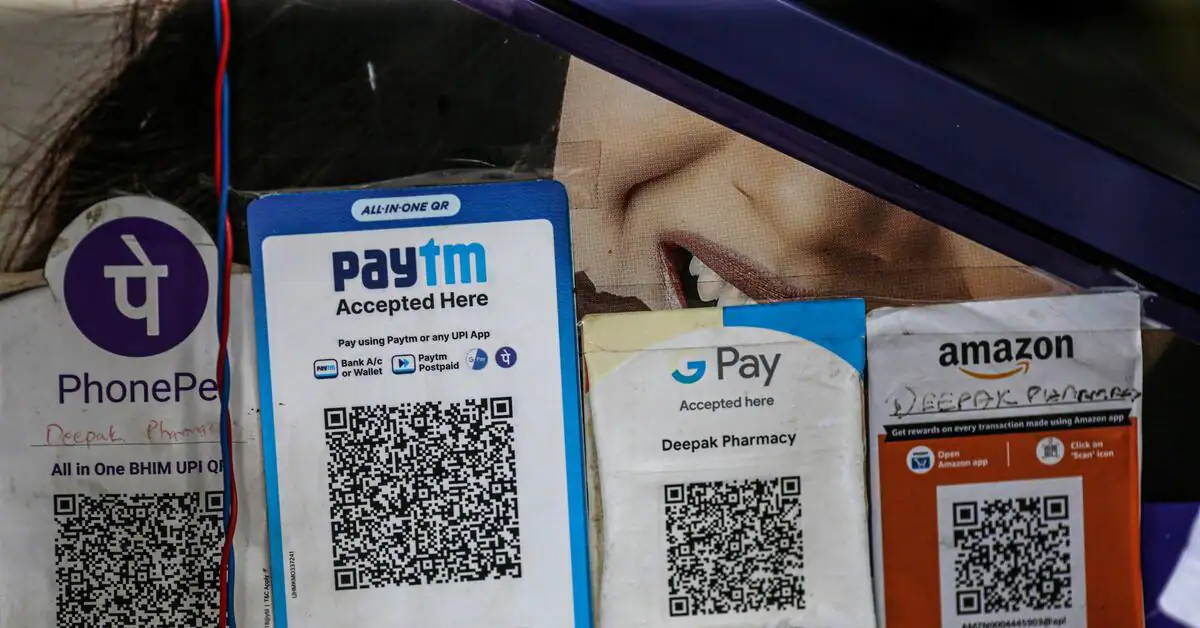
The survey found that 41 per cent of respondents would not bear any MDR on UPI payments above ₹2,000, while another 9 per cent said they did not accept UPI payments at all. Only 17 per cent said they were willing to bear an MDR of 0.3 per cent or higher.
The nationwide survey received over 32,000 responses from businesses and merchants across 242 districts.
Among respondents, 15 per cent said the maximum MDR they would be willing to bear was 0.04 per cent. Another 12 per cent were willing to bear a charge of up to 1 per cent, while 8 per cent opted for 0.25 per cent.
Five per cent each said they would be willing to bear MDRs of 0.5 per cent, 0.2 per cent and 0.1 per cent.
Taken together, only 17 per cent—the 12 per cent willing to bear 1 per cent and the 5 per cent willing to bear 0.5 per cent—were prepared to absorb an MDR of 0.3 per cent or more, according to LocalCircles.
The survey said that even if the MDR were set at 0.25 per cent instead of 0.3 per cent, the share of merchants willing to bear that level of charge or more would rise to only 25 per cent.
The findings come amid reports of an MDR being considered for UPI merchant transactions of ₹2,000 and above.
MDR is a fee paid by businesses to payment processors for accepting digital payments. An MDR of up to 0.3 per cent applied to UPI person-to-merchant transactions until December 2019. Zero MDR was introduced in January 2020 to encourage digital payment adoption, according to the survey report.
The report said recent changes to the Payment and Settlement Systems Act had enabled the central government to specify which electronic payment modes would continue to remain free of charges.
It added that the rate, the turnover threshold for merchants and the structure of any proposed MDR had not yet been notified.
More than half of consumers may move away from UPI
A separate LocalCircles consumer survey released in August found that 53 per cent of UPI users would move away from UPI for higher-value transactions if an MDR is levied and recovered from them.
Of those, 27 per cent said they would switch to credit cards, 14 per cent to debit cards and 12 per cent to cash or bank transfers. Only 12 per cent said they would pay the fee and continue using UPI, while another 18 per cent said they would continue using UPI only if the merchant absorbed the cost.
At the point of sale, nearly 50 per cent of UPI users surveyed said they would avoid UPI for purchases above ₹3,000. Another 21 per cent said they would switch to other digital payment methods that carry no charge, while 14 per cent said they would stop shopping with merchants that recover the fee where alternatives exist. Only 2 per cent said they would pay the charge and continue using UPI.
On August 11, Parliament passed the Taxation and Other Laws (Amendment) Bill, 2026, paving the way for a merchant discount rate (MDR) on UPI payments above ?2,000.
However, the Union government has maintained that the consumer is not the target of the proposed change. The Ministry of Finance clarified on August 8 that, if introduced, MDR charges would apply only to a limited set of merchant transactions above a certain threshold and at a nominal rate. Person-to-person transfers are expected to remain free, with consumers not facing any transaction charge.