

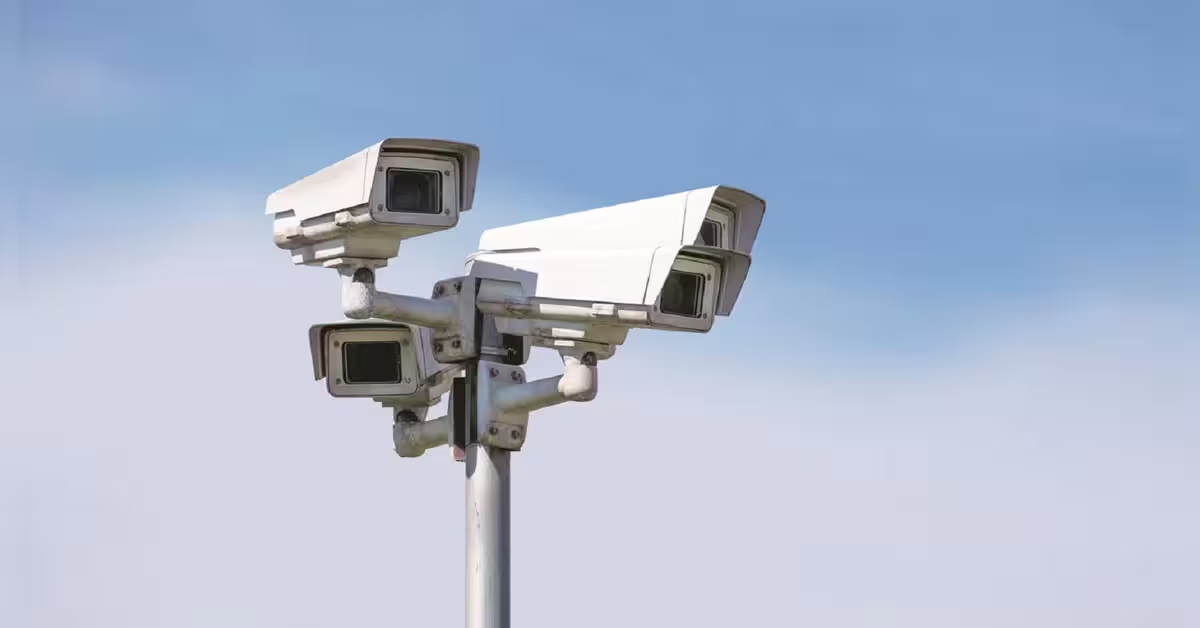
The Union Health Ministry has proposed mandatory CCTV surveillance in all medical stores as part of regulations to strengthen oversight of the sale of prescription drugs.
“The supply, otherwise than by way of wholesale dealing of any drug supplied on the prescription of a registered medical practitioner (RMP) shall be made under a CCTV surveillance system installed and maintained for this purpose at the licensed premises,” the draft amendment notified on September 16 stated.
Further, the new rule requires the recordings to be preserved for a minimum period of three months.
The proposed draft amendment seeks to prevent unauthorised access to and sale of Schedule H, H1 and X drugs without valid prescriptions.
Schedule H covers a wide list of over 500 prescription-only medicines, ranging from common antibiotics to other therapeutic drugs that should not be sold without a doctor’s prescription.
Schedule H1 is a smaller, more tightly watched subset of around 46 drugs, largely made up of third- and fourth-generation antibiotics and anti-tuberculosis drugs.
These carry a mandatory red-bordered warning label with an Rx symbol, and pharmacists must log the patient’s details, the prescribing doctor’s contact information and the quantity sold in a register retained for at least three years.
On the other hand, Schedule X drugs include narcotic drugs and psychotropic substances, which are subject to stricter record-keeping.
However, despite existing prescription rules, enforcement at the retail level has remained patchy. This has contributed to over-the-counter (OTC) sales of medicines meant to be tightly controlled.
“The proposed CCTV surveillance mechanism will also enhance transparency and accountability across the pharmaceutical supply chain, thereby strengthening safeguards for public health,” the ministry said on Thursday.
The move comes after the provision was discussed and recommended for approval by both the Drugs Consultative Committee (DCC) and the Drugs Technical Advisory Board (DTAB). Both are important advisory bodies of drug regulatory body Central Drugs Standard Control Organisation (CDSCO).