

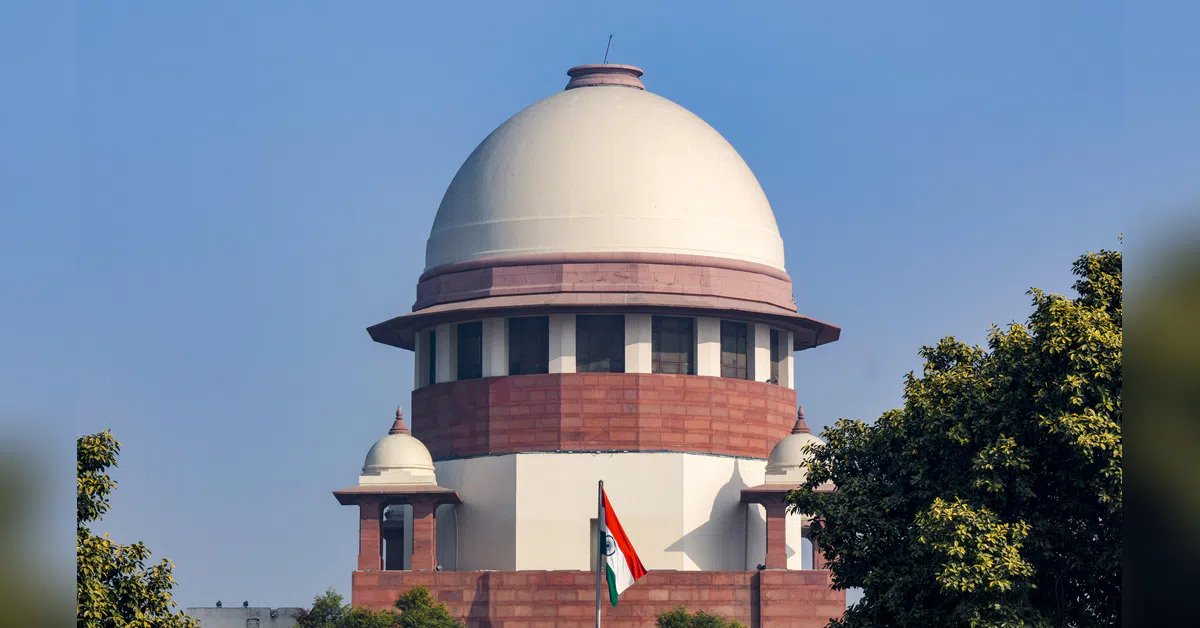
The Supreme Court on Friday withdrew its earlier direction barring three academics linked to a disputed NCERT Class 8 chapter on the judiciary from participating in academic work with Central and State universities or public educational institutions.
The Court said the Centre and State governments would be free to independently decide whether to engage them in future projects.
A Bench led by Justice Surya Kant, Justice Joymalya Bagchi and Justice Vipul Pancholi also removed remarks made in its March 11 order accusing the academics of intentionally distorting facts to portray the judiciary negatively before Class 8 students.
Even while maintaining that the chapter itself was “wholly undesirable”, the Bench recorded that the explanations furnished by the applicants justified modification of the earlier ruling. The Court said authorities should take any future decision regarding their association with academic activities without being influenced by the previous observations.
The order came on applications filed by Professor Michel Danino, Suparna Diwakar and Alok Prasanna Kumar seeking reconsideration of the March ruling. The Bench noted that it was satisfied there was no malicious intent behind the preparation of the chapter and that the material had emerged from a collective process.
Appearing for Michel Danino, senior advocate Shyam Divan argued that the earlier order had been passed without hearing the academics. He said the chapter was not the work of a single author but the outcome of group deliberations, and warned that the earlier directions carried serious professional consequences.
Senior advocate Gopal Sankaranarayanan, representing Alok Prasanna Kumar, submitted that the Class 8 material formed part of a broader sequence of civics chapters introduced in Classes 6 and 7 and also addressed shortcomings in other public institutions. He contended that students should not be shielded from discussions already taking place in public discourse, adding that an honest understanding of institutions, “warts and all”, was necessary for meaningful reform.
Justice Bagchi, however, observed that the concern was the manner in which corruption appeared to be singled out as a problem specific to the judiciary. He remarked that the text lacked balance and omitted discussion on subjects such as legal aid and the judiciary’s positive contributions. Sankaranarayanan responded that other portions of the curriculum did refer to the role played by courts.
Senior advocate J Sai Deepak, appearing for Suparna Diwakar, argued that his client’s involvement had been limited and said the Court’s earlier order threatened the applicants’ livelihood.
During the proceedings, Solicitor General Tushar Mehta informed the Bench that the Union government had already decided against engaging the academics in future assignments.
He also disputed the claim that the chapter had been approved collectively, saying it had only been circulated to a handful of committee members instead of the entire body.
The Solicitor General also referred to a cartoon in a Class 11 textbook that he described as objectionable, saying “textbook is not a place where you use cartoons”.
Mehta said that “per se” there were no objections to cartoons, but the ones printed in the school textbooks would be seen by children of an “impressionable age”.
The Bench said such concerns could be placed before the expert panel headed by former Supreme Court judge Indu Malhotra, which has been tasked with reviewing the judiciary chapter.
The proceedings arose from the Court’s suo motu case concerning the NCERT chapter discussing judicial corruption and delays. Earlier this year, the Court had ordered the withdrawal of textbooks carrying the chapter and directed that the material be removed altogether.