

[ad_1]
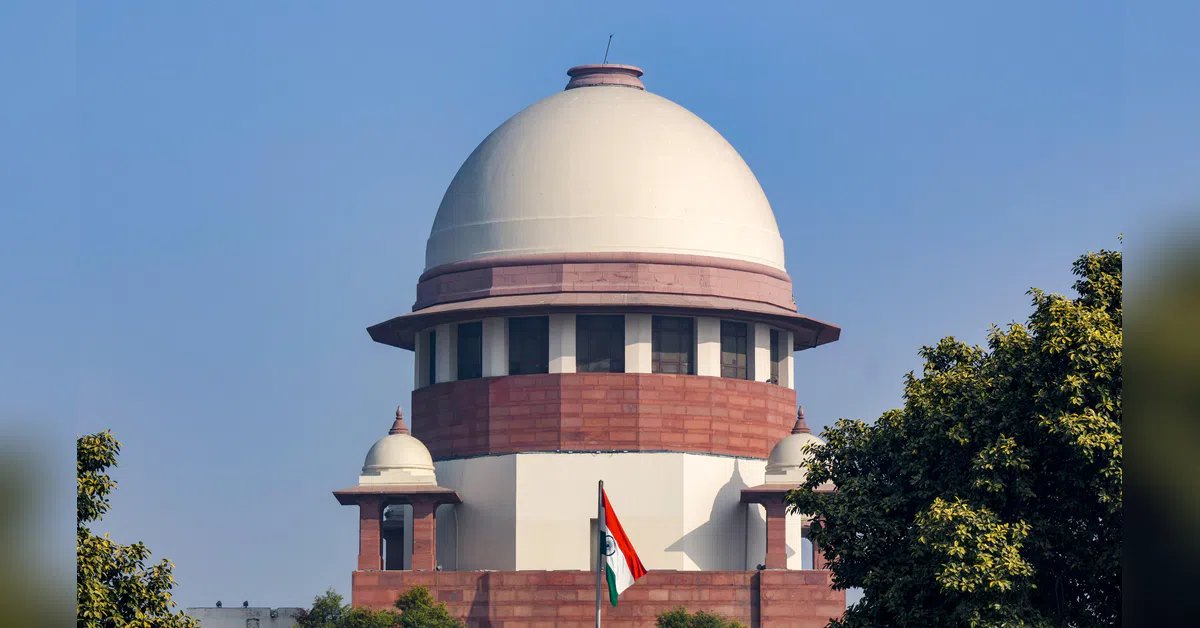
The Supreme Court on Monday said it would direct the Central Board of Secondary Education (CBSE) to implement across the country an Orissa High Court ruling requiring changes to the consent form used for generating APAAR (Automated Permanent Academic Account Registry) IDs.
The revised form must clearly allow parents to refuse consent or opt out of the scheme. The Supreme Court’s detailed order is awaited.
A Bench led by Chief Justice of India Surya Kant, along with Justice Joymalya Bagchi and Justice V Mohan, was hearing a petition filed by the parents of four students challenging the constitutional validity of the APAAR scheme.
The petition argues that the programme effectively compels students to obtain Aadhaar numbers and raises concerns over the collection, storage and processing of children’s personal data.
Senior Advocate Indira Jaising, appearing for the petitioners, contended that although the government describes APAAR as voluntary, it is linked to Aadhaar, making Aadhaar practically indispensable for obtaining an APAAR ID.
She argued that students are being forced to enrol under a non-statutory scheme despite the Supreme Court’s 2019 Puttaswamy ruling that children cannot be compelled to obtain Aadhaar.
Jaising submitted that education is a constitutional right and cannot be made contingent on securing Aadhaar or an APAAR ID.
She also argued that the consent process violates the Digital Personal Data Protection Act, 2023, as parents are not given meaningful informed consent, an option to refuse participation, or an effective mechanism to withdraw consent.
She further expressed concern that a lifelong digital academic record could compromise a student’s privacy, including information about past academic performance.
The Bench, however, observed that the objective of APAAR is to create a unique academic identifier for every student, enabling better management of educational records and assisting authorities in planning issues such as teacher-student ratios and curriculum implementation.
The Chief Justice remarked that the initiative should not be viewed with undue suspicion, while acknowledging that it must operate within the framework of existing law.
The Court noted that CBSE circulars remain subject to the Digital Personal Data Protection Act and cannot override statutory safeguards.
Referring to the Orissa High Court’s December 2025 judgment, the Bench asked whether that decision had been challenged.
After being informed that it had not, the Court said it would direct CBSE to implement the High Court’s directions across the country and examine the concerns raised by the petitioners.
The Orissa High Court had held that if APAAR is genuinely voluntary, the consent form must explicitly allow parents to decline participation instead of only permitting withdrawal after consent has been granted.
It had ruled that the absence of an opt-out option raised legitimate privacy concerns and directed the authorities to amend the model consent form accordingly.
[ad_2]
Source link