

[ad_1]
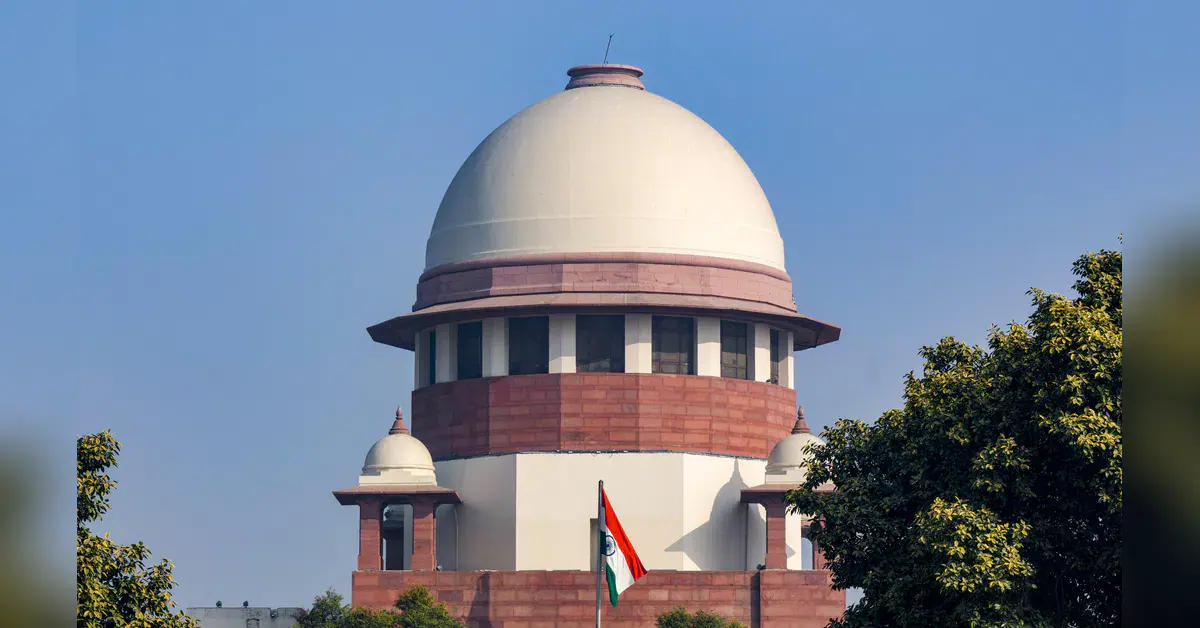
The Supreme Court on Monday sought the Centre’s response to a plea by senior advocate and Rajya Sabha MP Kapil Sibal, appearing in person, challenging the interpretation of the Constitution’s anti-defection law that permits legislators to avoid disqualification through the merger route.
A Bench of Justice P S Narasimha and Justice Alok Aradhe issued notice on the petition after briefly hearing Sibal, who argued that the existing interpretation of the Tenth Schedule undermines electoral mandates by allowing shifts in legislative majorities without fresh elections.
Referring to a pending dispute arising from Goa, Sibal submitted, “Electoral verdict can be changed through this process. A majority can become a minority and a minority can become a majority.”
Justice Narasimha, however, questioned the maintainability of the petition under Article 32 (right to approach the Supreme Court) and indicated that such issues are primarily matters for the legislature and political parties.
“These are issues typically to be raised before the floor of the House; if not, then at least before political parties. The Tenth Schedule is intended to regulate the mechanism between the legislators… What transpired in the working of the Tenth Schedule, we have been seeing enormous issues about the Tenth Schedule.”
Sibal responded that those in power were unlikely to permit any corrective action.
The petition challenges the prevailing interpretation of the merger provisions under the Tenth Schedule, contending that it enables breakaway groups of legislators to evade disqualification by merging with another political party, thereby diluting the objective of the anti-defection law.
Sibal told the court that similar questions are already pending before the Supreme Court, including a petition filed by Shiv Sena (Uddhav Balasaheb Thackeray) against the Lok Sabha Speaker’s decision recognising the merger of some of its MPs with the Shinde-led Shiv Sena.
He also referred to the Congress’ challenge to the Goa Bench of the Bombay High Court’s ruling that a legislative wing can merge with another party without the approval of the parent political party.
The Tenth Schedule of the Constitution, added through the 52nd Amendment in 1985, is the anti-defection law. It was introduced to curb political defections, a growing problem at the time, and to ensure elected representatives remained loyal to the party on whose ticket they won.
Originally, the Tenth Schedule recognised a ‘split’ in a legislature party if at least one-third of its members formed a new group or joined another party.
But after the 91st Amendment, which came into force in 2004, the law recognises a ‘merger’ requiring at least two-thirds of the members of a legislature party to join another party or form a new one without falling foul of the anti-defection law.
[ad_2]
Source link