

[ad_1]
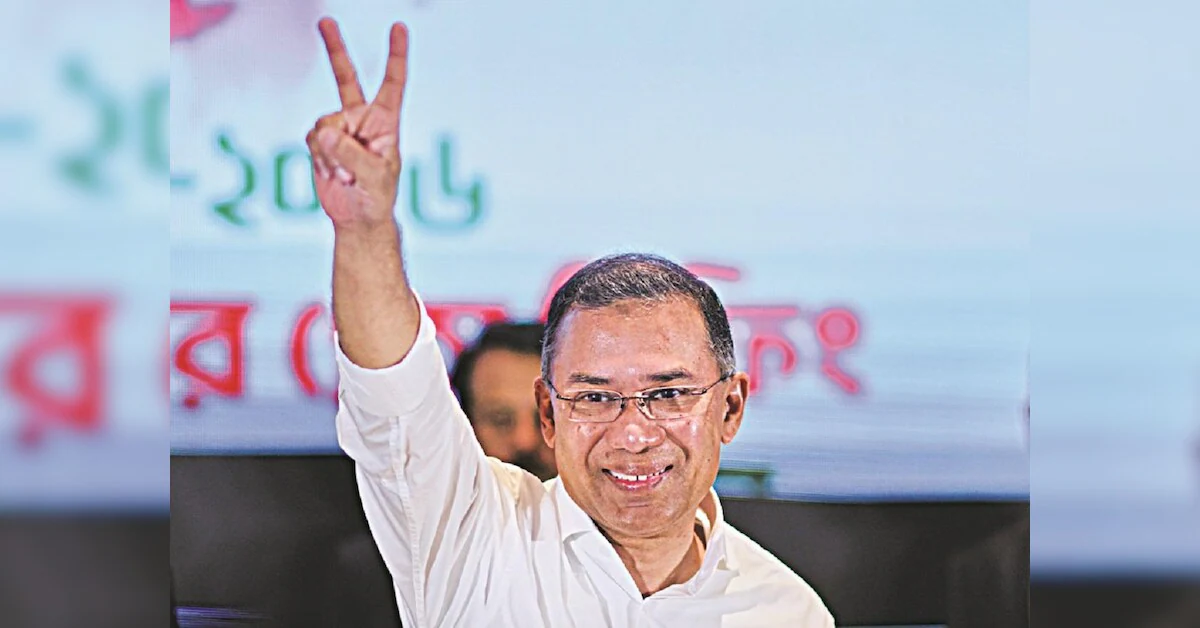
Bangladesh on Sunday said a “propitious environment needs to be created” by India for Prime Minister Tarique Rahman to visit New Delhi, linking it to Dhaka’s pending extradition requests regarding deposed premier Sheikh Hasina, according to a media report.
The development comes amid uncertainties over Rahman’s visit to New Delhi for the BRICS summit on September 12-13.
Rahman met Indian High Commissioner Dinesh Trivedi on August 10. During the meeting, he sought the extradition of Hasina, following up on formal requests sent to New Delhi so far. But there was no clarity on whether he would visit New Delhi.
“Officials of Bangladesh and India have been in touch with each other for several weeks on the possibility of a bilateral visit by Hon’ble Prime Minister Mr Tarique Rahman to India,” Bangladesh’s foreign ministry spokesperson Shahidul Karim was quoted as saying by the state-run Bangladesh Sangbad Sangstha (BSS) news portal on Sunday.
However, he told the media, the process was adversely affected by a press conference addressed virtually by Hasina in New Delhi on August 5.
“We have made our position clear on this matter,” he said. “To this end, we have requested the Indian authorities to expeditiously act on our request to extradite Sheikh Hasina.”
Relations between India and Bangladesh have witnessed strain after Hasina’s virtual media address, where she said she is determined to return home in December to put the country on the “right track” by restoring democracy, notwithstanding the risk of facing the threat of imprisonment or a death sentence.
Bangladesh expressed outrage over the media interaction, saying the event had hurt the sentiments of its people and could adversely affect efforts to improve bilateral ties with India. They described Hasina as an “absconding, convicted genocider”.
However, India’s Ministry of External Affairs on August 7 said that it had no role in the media event concerning Hasina and it does not endorse anything said at the forum about the Bangladesh government.
Hasina was ousted in August 2024 following violent student-led protests, and fled to India. In November 2025, she was sentenced to death in absentia by a special tribunal in Bangladesh over alleged “crimes against humanity” during the crackdown on protesters.
Dhaka has since been seeking Hasina’s extradition from India, while New Delhi maintains that the extradition request is under examination in accordance with applicable law and established legal procedures.
The Bangladesh government maintains that Hasina shall have to surrender and face the law if she returns.
On Sunday, Bangladesh’s foreign ministry spokesperson Karim further said: “We reiterate that we will continue to pursue our ‘Bangladesh First’ policy to promote friendly bilateral relations with other countries, including our neighbours, on the basis of sovereign equality, national dignity, non-interference in each other’s internal affairs and mutual benefit.”
He also reiterated Bangladesh’s request to expedite the extradition of the “fugitives” linked to the killing of student-leader Osman Hadi.
Hadi, a prominent activist during the student-led movement that ousted Hasina in 2024, was killed in an attack in December 2025 that triggered renewed political tensions in Bangladesh.
The issue assumed significance as three suspects in the case were arrested in India in March and are currently in judicial custody in West Bengal. India has agreed to extradite the suspects back to Bangladesh following the due process.
The matter concerning the extradition of Hadi’s alleged killers was also taken up by Prime Minister Rahman in his meeting with Indian envoy Trivedi last week.
After that meeting, Bangladesh Foreign Minister Khalilur Rahman said the BRICS invitation was not extended to the prime minister personally, but rather “addressed to the chairperson of BIMSTEC.”
BIMSTEC is an international group of seven countries – Bangladesh, Bhutan, India, Myanmar, Nepal, Sri Lanka and Thailand. Bangladesh holds the official state chairmanship of the regional group.
However, the Ministry of External Affairs said on August 14: “We have extended an invitation to the Prime Minister of Bangladesh for a bilateral visit. We’ve also extended an invitation to the prime minister of Bangladesh for a visit to India for the outreach session of the BRICS Summit.”
These developments come against the backdrop of an uneasy reset in India-Bangladesh ties after Rahman’s Bangladesh Nationalist Party came to power in February, following a period of strained relations under the interim government over issues that include Hasina’s extradition, security of Hindu minorities, border-related matters and Dhaka’s foreign policy tilt towards China.
[ad_2]
Source link