

[ad_1]
The plan, published in the Delhi Gazette on Wednesday, would introduce a series of permanent measures aimed at curbing seasonal air pollution in the national capital.
Year-round PUC enforcement, curbs on older vehicles
Among the key provisions, fuel stations across Delhi will be allowed to dispense petrol, diesel and CNG only to vehicles carrying a valid Pollution Under Control Certificate (PUCC).
The requirement will apply throughout the year and compliance may be verified through physical certificates, automatic number plate recognition (ANPR) systems or electronic databases such as VAHAN. Vehicles found refuelling without a valid PUCC will be liable for penalties, the notification said.
It also bars vehicles registered outside Delhi and operating below BS-VI emission standards from entering or plying in the city between November 1 and January 31.
The restriction will not apply to electric and CNG vehicles, emergency services, or categories specifically exempted by the Environment Department.
Parking charges doubled, offices move to hybrid mode
The government has also prescribed staggered office timings for public offices and directed government and private establishments to operate with only 50 per cent physical attendance from November 1 to January 31.
The remaining employees will be required to work from home, while essential and emergency services have been exempted. Private offices have additionally been asked to encourage carpooling, ride-sharing and greater use of public transport.
Construction, demolition activities face seasonal restrictions
The notification imposes restrictions on construction-related activities during the peak pollution period. Dust-generating demolition work and outdoor civil construction activities will remain prohibited from November 1 to January 31, except for essential public infrastructure projects.
A stricter ban on construction and demolition activities will be enforced from December 10 to January 20, with exemptions for urgent government works and emergency situations.
During the December 10–January 20 period, vehicles carrying construction materials such as sand, aggregates, stone, bricks, cement and debris will also be barred from entering Delhi, except those engaged in projects of national importance, essential public infrastructure or emergency works.
Anti-smog guns, mist systems made mandatory
As part of its dust-control strategy, the government has made it mandatory for commercial high-rise buildings with a built-up area of more than 3,000 square metres to install anti-smog guns or mist systems.
Such systems must be operational throughout the year, except during the monsoon and peak summer period between May 1 and September 15. All installations must be completed by August 15. Construction sites spread over more than 1,000 square metres will also be required to install mist systems.
RWAs, institutions tasked with preventing open burning
The notification places responsibility on resident welfare associations, housing societies, institutions and establishments to prevent open burning of waste, biomass, leaves, garbage, plastic and other materials within areas under their control.
Authorities have been directed to undertake continuous monitoring, including drone-based surveillance, particularly during night hours. Violations may attract environmental compensation and action under applicable laws, the notification said.
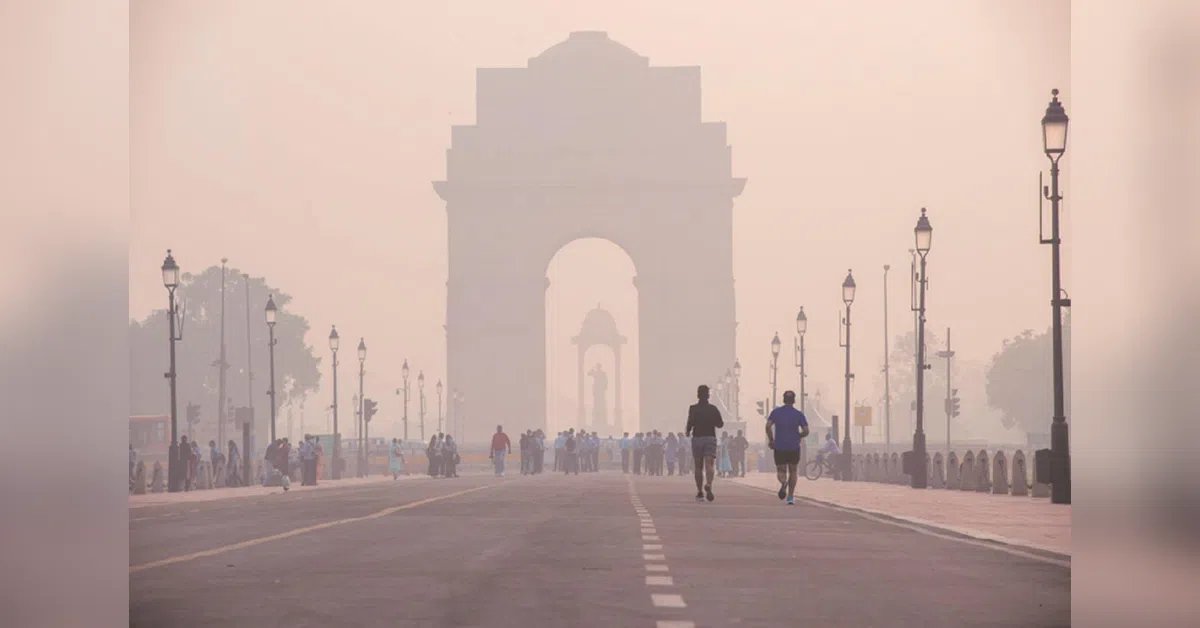
The Environment Department said the directions were issued after reviewing air quality data from the past three years, which showed that Delhi’s air quality consistently deteriorates between November and mid-February.
According to the notification, median AQI levels during this period ranged between 312 and 342, while peak AQI levels ranged between 461 and 494.
The measures have been notified under Section 5 of the Environment (Protection) Act, 1986, and will automatically come into force every winter season unless superseded by stricter measures under the Graded Response Action Plan (Grap).
Any person or entity found violating the directions may face prosecution, environmental compensation, sealing of premises or other action permitted under law.
[ad_2]
Source link