

Ethiopia and Eritrea have severed diplomatic relations as renewed fighting in northern Ethiopia raises fears of a wider regional conflict.
On Thursday, Ethiopia announced it was closing its embassy in the Eritrean capital, Asmara, and ordered 10 Eritrean diplomats to leave the country within 48 hours, accusing them of activities that threatened national security.
Eritrea responded by cutting diplomatic relations, saying Ethiopia’s decision had left it with no choice but to take reciprocal action.
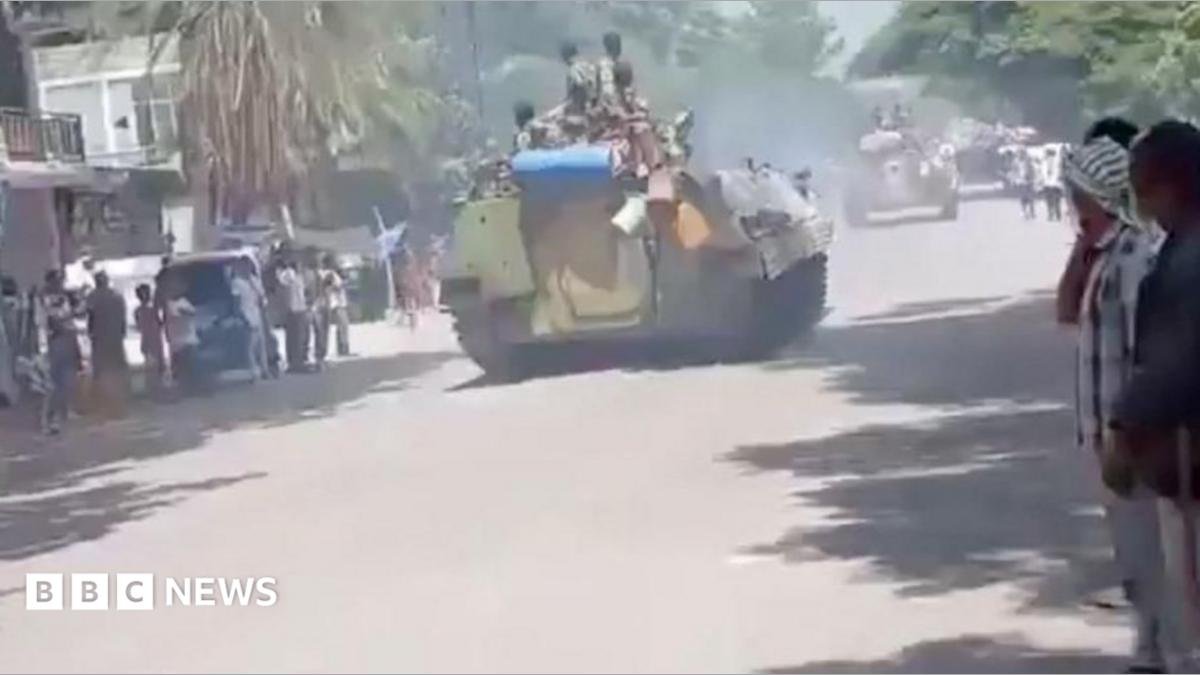
Meanwhile, a pro-government militia says it has seized the town of Milazat, which is just 20km (12 miles) south-east of Mekelle, the capital of Tigray, where the main anti-government group is based.
The BBC has not been able to verify this claim.
The diplomatic confrontation came hours after powerful explosions were heard overnight in Ethiopian capital, Addis Ababa, including near Ethiopia’s military headquarters.
It follows a sharp deterioration in relations between the neighbours, with Ethiopia accusing Eritrea of supporting a new rebel alliance – an allegation Asmara has repeatedly denied.
Eritrea described the decision to expel its ambassador as “astounding”.
“Eritrea has no option but to reciprocate in kind and sever all diplomatic ties with Ethiopia,” its foreign ministry said, warning of “negative corollaries” from the decision.
The diplomatic fallout comes as Ethiopian federal forces battle fighters from the Tigray People’s Liberation Front (TPLF) and its allies across parts of the northern regions of Tigray, Afar and Amhara.
Ethiopia has also expelled an Egyptian diplomat, giving him 48 hours to leave the country, according to state media. The government has not publicly given a reason for the decision.
Egypt responded by ordering an Ethiopian embassy official to leave within the same period, according to the state-affiliated Al Qahera News.
Relations between Ethiopia and Egypt have been strained for years, largely over Ethiopia’s Grand Ethiopian Renaissance Dam (GERD), a huge hydroelectric project on the Blue Nile.
Egypt, which relies heavily on the Nile for its water supplies, has long expressed concern about the dam’s potential impact on its share of the river’s water.