

[ad_1]
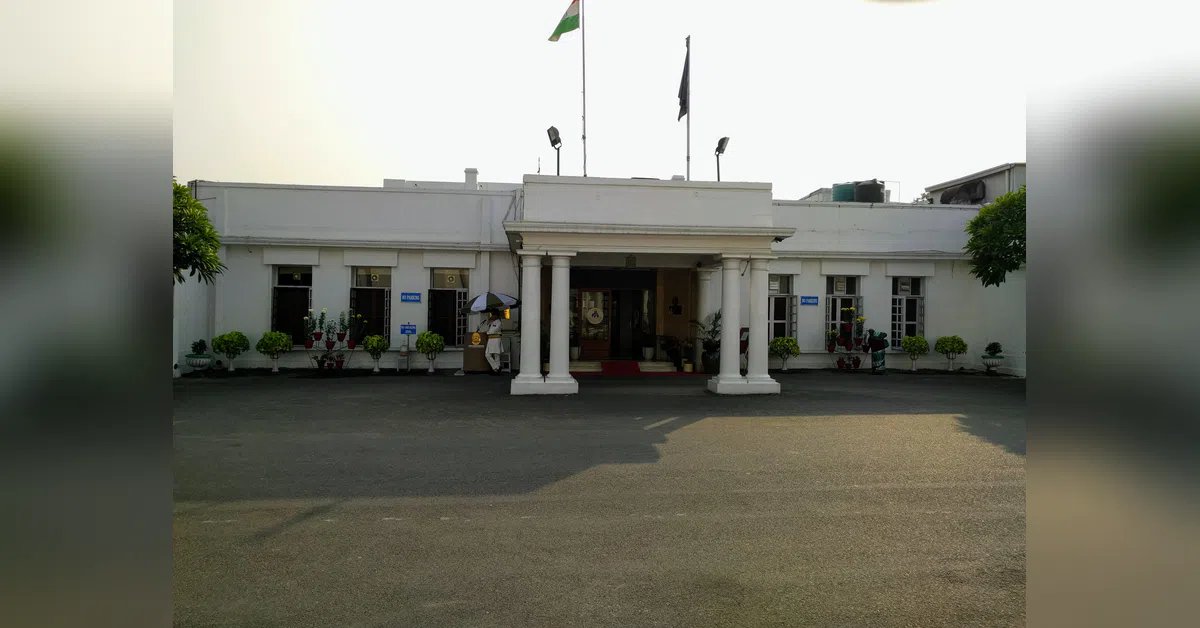
The Centre has directed the historic Delhi Gymkhana Club to vacate its Safdarjung Road premises by June 5, triggering a legal and political row over one of the capital’s most exclusive institutions.
The eviction notice, issued by the Land and Development Office (L&DO) under the Union Housing and Urban Affairs Ministry, has intensified the long-running tussle between the government and one of the country’s most exclusive clubs.
Located in the heart of Lutyens’ Delhi, the club sits close to several high-security government establishments, including the Prime Minister’s residence and key administrative buildings.
Why the Centre wants the land back
In its order, the Centre said the land was required for “strengthening and securing defence infrastructure” and for other public purposes linked to national security and governance. The Centre has been reassessing land use in the Lutyens’ Delhi zone.
The government invoked Clause 4 of the lease agreement, which allows it to reclaim the land for public use. The order stated that possession of the land, along with all buildings and structures, would revert to the President of India through the L&DO.
A club rooted in colonial-era Delhi
The Delhi Gymkhana Club traces its origins to 1913, when it was established as the Imperial Delhi Gymkhana Club during the British Raj, shortly after Delhi became the capital of British India.
Initially created as an exclusive recreational space for British military officers, civil servants and members of the colonial elite, the club became one of the most influential social institutions in the capital.
After Independence, the word “Imperial” was dropped from its name, and the club gradually opened its membership to Indian bureaucrats, diplomats, military officers, politicians and business leaders.
Over the decades, the club developed a reputation as one of the country’s most elite institutions, known as much for its influence and networking culture as for its sporting and social facilities.
Governance issues at the club
The latest order also comes after years of scrutiny over the club’s functioning and management.
In 2022, the National Company Law Tribunal allowed the Centre to take control of the club’s management after allegations of financial irregularities, procedural violations and governance failures surfaced.
The Ministry of Corporate Affairs had argued that the club’s affairs were being run in a manner prejudicial to public interest. Following the order, the Centre appointed government nominees to oversee the club’s administration.
Club likely to challenge move
Members of the Delhi Gymkhana Club said they will legally challenge the order, according to a Hindustan Times report, arguing that the eviction is abrupt and could affect hundreds of employees and thousands of members.
Several members also questioned whether adequate consultation occurred before the notice was issued, according to the report.
The institution remains one of the country’s most prominent social clubs, with senior bureaucrats, politicians, diplomats and business leaders among its members. The Club has now urged the Centre to ensure there is “no dislocation” to its functioning after being asked to vacate its 27.3-acre premises by June 5, while also seeking clarity on relocation plans and the allotment of alternative land, according to India Today.
[ad_2]
Source link