

With 550 megawatt (MW) of power capacity cut off due to flash floods, India will provide Nepal any additional power that it may need in advance to cope with the tragedy that wiped out parts of several districts on Wednesday morning, a top power ministry official told Business Standard.
“It is learnt that Nepal has sought from India advance import approvals effective September 2026 in view of the generation deficits caused by this disaster. The relevant authorities are processing these requests,” the official said.
“In the wake of this tragedy, India will provide power to Nepal if and when the requirement for the same is communicated to India as per their needs,” he added.
Senior officials also said that no discernible impact is expected on India’s domestic supplies due to the cut in hydropower flows from Nepal to India. They said the impact of the flash floods in Nepal, which severely damaged several hydropower projects, on India’s national power grid is minimal and fully manageable.
Flash floods in the Trishuli and Lhende Khola river basin on 26 August caused severe local infrastructure damage and disrupted power generating stations in Nepal. Before the flash floods, Nepal had a total installed and operational power generation capacity exceeding 4,200 MW.
Senior power ministry officials said domestic generation capacity in Nepal has now seen a reduction of 550 MW due to damaged facilities, and cross-border power flow to India is currently reduced by 400 MW from previous peak levels of around 950–1,000 MW.
India imports electricity from Nepal, particularly during the monsoon months when hydropower generation is higher. “We do not foresee any requirement for exceptional emergency procurement or alternative arrangements to balance domestic demand. India’s vast national grid capacity and robust generation reserve margins are capable of absorbing a temporary shortfall of 400 MW seamlessly without disrupting grid stability or retail supply,” a senior official said.
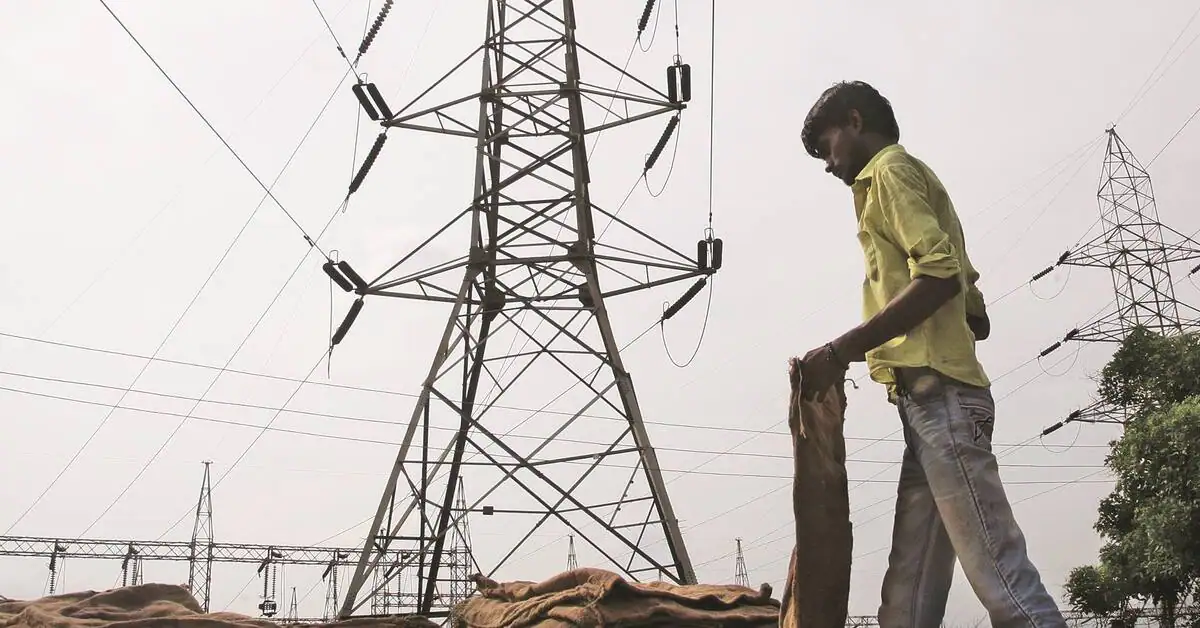
He also said that major cross-border transmission corridors, such as the high-capacity 400 kilovolt Dhalkebar–Muzaffarpur link with a transfer capacity of 1,000 MW, remain operational as usual.
Moreover, key Indian CPSU-executed projects, including the under-construction 900 MW Arun-3 and 669 MW Lower Arun projects in the Arun River basin, are located in an unaffected catchment and continue on schedule without disruption, the official said.
The death toll from the tragedy had climbed to 675 on Saturday, with more bodies being recovered even as nearly 2,400 people were reported to be still missing.