

[ad_1]
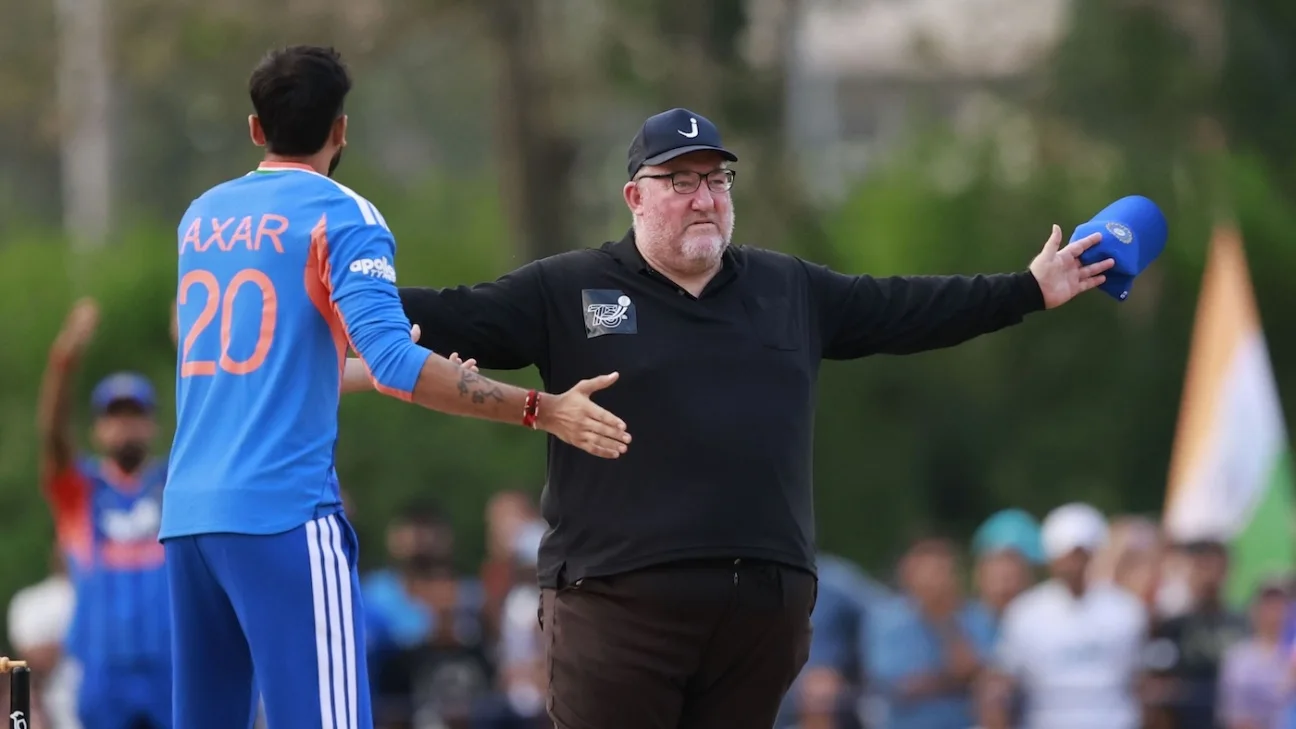
What happened in the final over?
The decision left some Indian players bemused because such deliveries have not been called wide in limited-overs internationals for about ten years. Bemusement turned into anger when an identical piece of action next ball resulted in another call of wide.
So what does the rule say?
For the purpose of adjudicating wides, the ICC has given clear guidelines to its umpires that if a batter attempts a reverse or a switch hit, both sides of the wicket are to be treated as off side, which means the ball has to be 75 cms wide of the outer stump to be called a wide. Even if a batter pretends to change stance and then reverts to their normal stance, both sides are deemed to be off side. This is in the manual given to every ICC umpire.
The logic is simple: by switching stance, batters bring the leg-side deliveries within reach.
But Shirai-Patmore didn’t play a switch hit…
It doesn’t matter. This guideline applies to both reverse hits (when the batter’s hands don’t change grip) and switch hits (when the hands change grip).
But didn’t the batter change stance after Axar had released the ball?
A good observation but irrelevant according to the guidelines, which say the timing of the move makes no difference to the advantage gained by switching sides, and once a batter does so, both sides should be deemed as off side for the purpose of calling wides.
Isn’t the umpire’s decision final?
This match had no TV umpire and no DRS, which in the IPL allows teams to review wide calls, but an on-field umpire is still within their rights to change a decision before the next ball comes into play.
Why didn’t they change the first wide?
It is possible the first call of wide took everyone, including Brown, by surprise and nobody had time to react before the next ball was bowled. That one mistake was allowed to stand should not be justification for a second one.
[ad_2]
Source link