

[ad_1]
According to a government press release issued on Tuesday, the committee has sought submissions from stakeholders in Delhi, Rajasthan, Haryana, Gujarat and any other concerned states. It has also invited inputs from environmentalists, conservationists, non-profit organisations, mining lease holders, project proponents, villagers, farmers, mine workers, local communities and other interested individuals or entities whose livelihoods or interests are linked to the Aravalli ecosystem.
The committee, constituted by the Supreme Court after an order issued on May 25, 2026, has been asked to examine issues concerning the Aravalli Hills and Ranges, along with related matters, and submit a comprehensive report to the apex court by August 31.
Why is the committee reviewing the Aravallis?
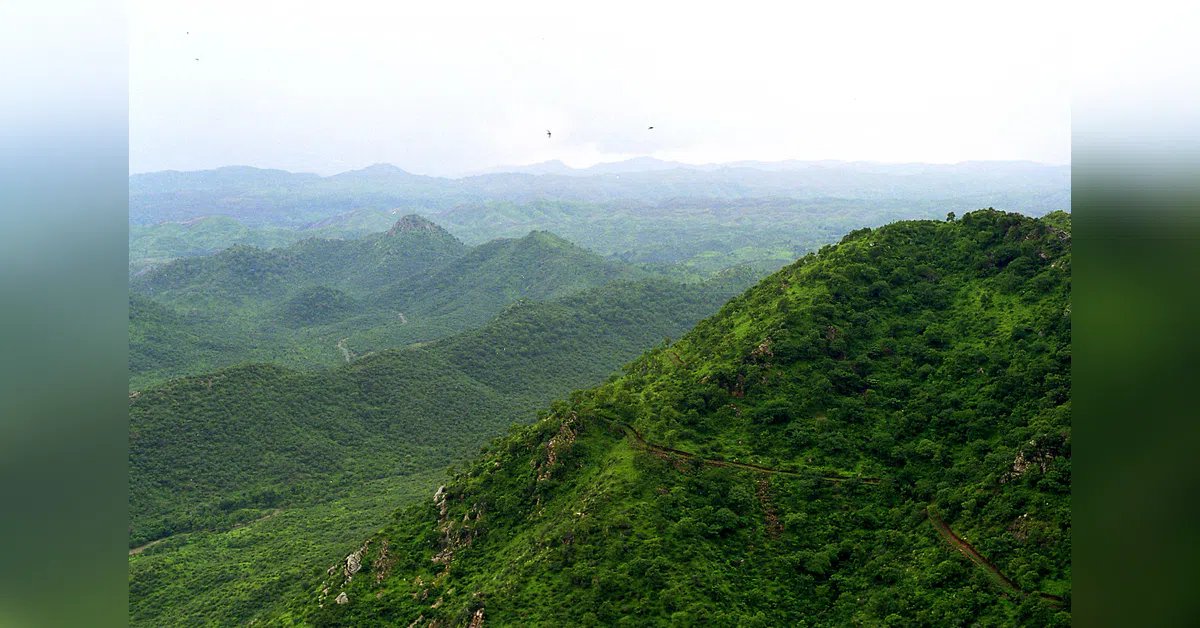
Stretching about 700 km across Gujarat, Rajasthan, Haryana and Delhi, the Aravallis are among the world’s oldest fold mountain ranges and play a vital role in maintaining ecological balance, groundwater recharge and biodiversity in north-western India.
The latest developments come amid an ongoing legal dispute over how the Aravalli range should be identified and protected. The Supreme Court constituted the expert panel to undertake an independent review after concerns were raised over a proposed definition contained in a report prepared by a committee headed by the Union environment secretary.
The proposed definition classified the Aravallis as landforms with an elevation of at least 100 metres above the local relief, along with their slopes and adjoining areas. However, the benchmark drew criticism from environmental groups, which argued that it could exclude large portions of the ecologically sensitive mountain range from legal protection and leave them vulnerable to mining and construction activities.
Taking note of these concerns, the Supreme Court stayed its earlier order that had accepted the proposed definition and instead directed the newly constituted committee to conduct a fresh, comprehensive assessment.
Who are members of the HPC?
The committee is headed by Kanchan Devi, Director General of the Indian Council of Forestry Research and Education. Its members include Subhas Ashutosh, former Director General of the Forest Survey of India; Rajendra Kumar Sharma, former Director at the Geological Survey of India; Brij Mohan Singh Rathore, former Joint Secretary in the Ministry of Environment, Forest and Climate Change (MoEFCC); and Ashok K Bhatnagar, former Professor and Head of the Department of Botany at the University of Delhi.
The panel may also draw on the expertise of special invitees, including Jagdish Krishnaswamy, Dean of the School of Environment and Sustainability at the Indian Institute of Human Settlements, and Laxmikant Sharma of the Central University of Rajasthan. The Centre has also been directed to nominate a Ministry of Environment, Forest and Climate Change (MoEFCC) officer of Director rank to serve as the committee’s member secretary.
Among its key responsibilities is to determine which areas should fall within the scope of the proposed definition and to examine whether mining activities, even if regulated, could have adverse ecological consequences in the Aravalli region.
[ad_2]
Source link