

[ad_1]
(This is the first part of a two-part series on how Indian cities are confronting rising urban heat and what needs to change)
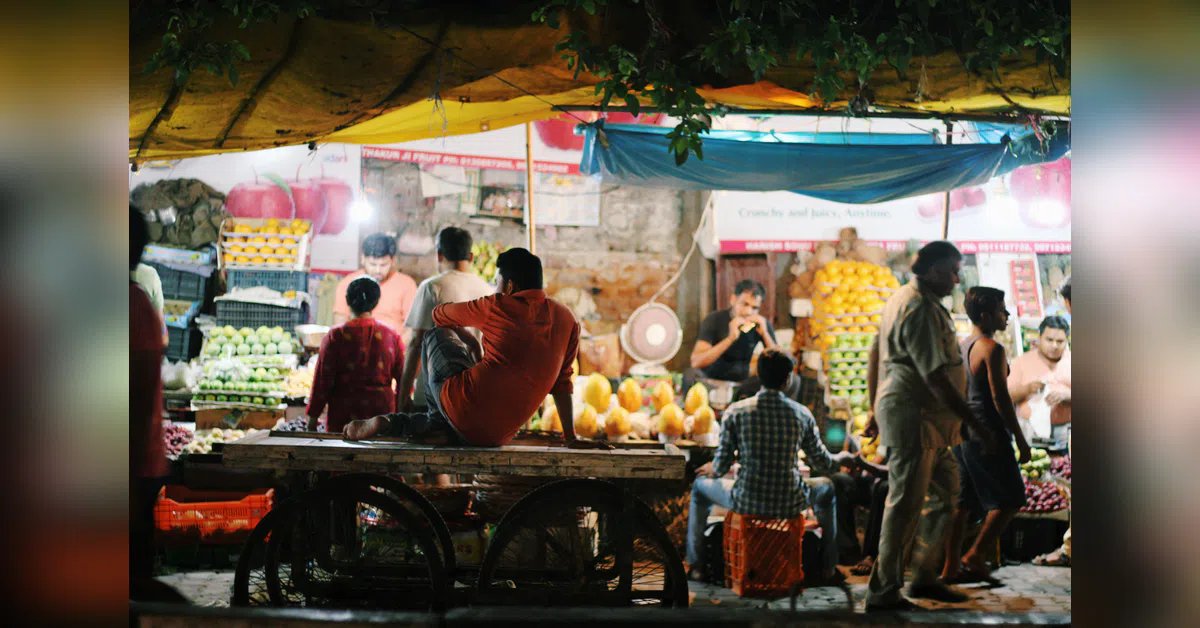
Ratna (name changed) works as a house help in the Rohini area of New Delhi. During the day, she works at air-conditioned homes, momentarily checking out for lunch and picking up her grandson from school. When she returns to her rented top-floor room in a low-income dense neighbourhood area, extreme heat awaits her. The roof radiates heat, the walls remain warm to touch, and the fan only moves hot air around. Outside, the street has cooled slightly. Inside, sleep remains distant.
This is becoming the new reality of urban India: cities are not only becoming hotter in the day, they are also failing to cool down at night. Since 2024, the India Meteorological Department (IMD) regularly includes warm night advisories in its daily All India Weather Forecast Bulletin during summers. According to a 2024 research by IIT Bhubaneswar, night-time warming across 141 Indian cities averaged 0.53 degrees Celsius per decade during 2003–2020, roughly twice the India-wide background warming rate.
The problem is also moving indoors. A new study by Climate Trends, conducted in Chennai, found that night-time indoor temperatures in low- and middle-income homes can remain between 31.2 degrees Celsius and 32 degrees Celsius. The finding matters because most official heat alerts still focus on outdoor daytime temperatures, while millions experience heat as a night-long exposure inside poorly ventilated homes.
According to Prof Anjal Prakash, faculty of public policy at FLAME University in Pune, most heat action plans still focus on daytime temperatures and early warnings because heatstroke cases and public concern usually rise after extreme daytime heat.
Why Indian cities stay hot at night
This can be understood through the urban heat island effect, which simply means cities absorb more heat than their surroundings and release it more slowly. Concrete, masonry, asphalt and dark roofs store solar heat through the day. At night, when open land or vegetated areas cool faster, dense built-up neighbourhoods keep radiating stored heat.
According to RMI India Foundation’s ‘Turning Down the Heat’ report, low-albedo materials, anthropogenic heat and air pollutants, small sky-view factors, and little vegetation are key causes of urban heat. Low-albedo materials such as asphalt road, dark concrete, bitumen roofing, and tarred surfaces absorb and slowly release heat, while limited vegetation reduces natural cooling.
Dense construction worsens the trap. Closely packed buildings reduce wind flow and limit the sky-view factor, or the amount of open sky through which heat can escape. Loss of trees and water bodies removes shade and evaporative cooling. Traffic, diesel generators, industrial activity and air-conditioners add waste heat. Dark roofs and paved surfaces absorb more radiation than light or reflective surfaces.
The RMI report notes that urban heat island intensity across the country ranges between 2 degrees Celsius and 10 degrees Celsius, and that urban neighbourhoods can remain up to 4 degrees Celsius warmer at night.
Homes are becoming heat traps
The city-level crisis becomes more severe at the household level. According to the RMI report, top-floor homes are directly exposed to solar radiation through the roof, often the largest exposed surface of a building. In low-income housing, the problem is compounded by poor insulation, limited cross-ventilation, small room sizes, heat-absorbing materials and little external shading.
Informal settlements and low-cost rental housing face an even sharper risk. Many structures use metal sheets, tin or poorly insulated concrete. Cramped layouts reduce air movement, while families may lack reliable electricity, fans, coolers or air-conditioning. Affordable housing programmes have often prioritised unit delivery and cost over thermal comfort, leaving residents with homes that may be structurally permanent but climatically fragile.
RMI’s cool roof pilot in Chennai’s Perumbakkam area shows why roofs matter. The pilot was conducted in a government resettlement housing scheme spread over more than 200 acres and housing economically weaker sections. Many families lived in top-floor units exposed to direct solar radiation, where thermally inefficient concrete roofs worsened heat stress.
The selected block had a roof area of 7,200 square feet. Cool-coated roofs in the pilot showed a 9 degrees Celsius to 12 degrees Celsius reduction in outdoor surface temperature during peak hours, while indoor ambient temperatures decreased by about 0.5 degrees Celsius to 1.5 degrees Celsius. The intervention also raised comfort hours within the adaptive comfort range from 65 per cent to 85 per cent, according to the report.
Why air-conditioning cannot be the answer
Due to the rising heat, the demand for air conditioners is rising. But AC-led cooling cannot solve the urban heat crisis on its own. Worse, it can add to outdoor heat through waste heat rejection.
According to a March 2025 working paper by the India Energy and Climate Center and UC Berkeley working paper, India adds 10 million to 15 million new room air-conditioners every year, with another 130 million to 150 million expected over the next decade. Without policy intervention, room ACs could contribute 120 GW to peak demand by 2030 and 180 GW by 2035, nearly 30 per cent of the total.
This creates a cycle. Hotter homes increase AC demand. More ACs add to peak power load and release heat outdoors. Poor housing makes cooling less efficient. Those who cannot afford ACs are left with fans, hot walls and rising health risks.
From heat action plans to heat action
Some models have worked. Ahmedabad’s Heat Action Plan is widely seen as an early template for heat preparedness, while newer community-led plans in cities such as Varanasi and districts such as Churu have focused on vulnerability mapping, awareness, cooling centres and hydration support.
However, the larger problem remains implementation.
(Part 2 of this series will discuss why heat policies remain advisory, and what it will take to make them operational)
[ad_2]
Source link