


[ad_1]
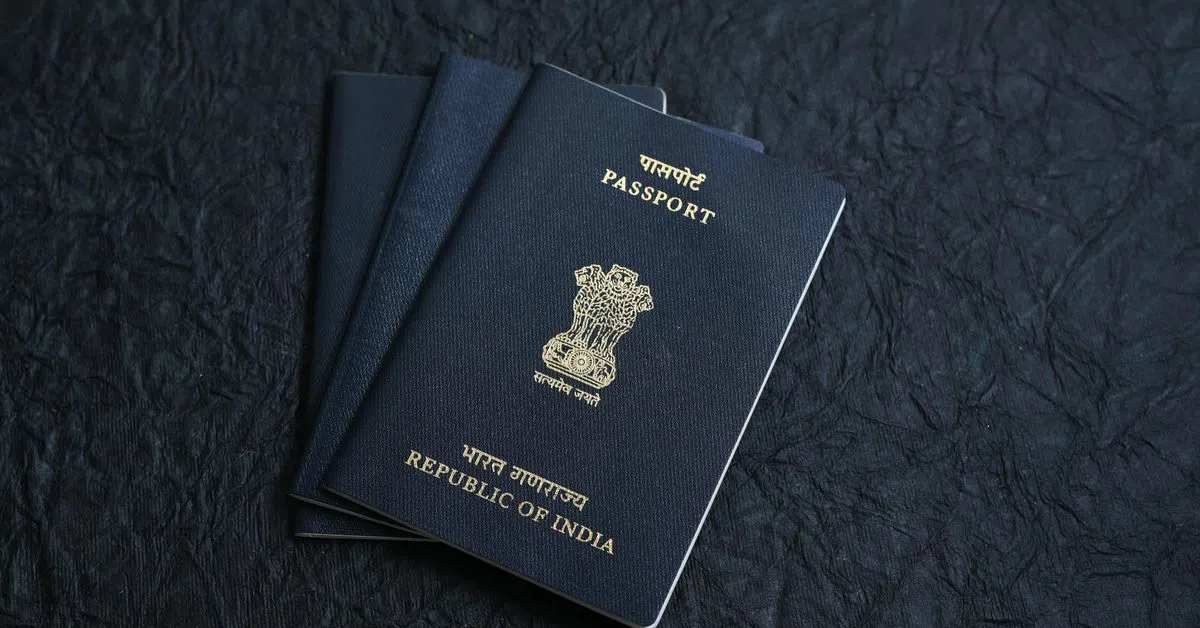
What proves your citizenship of India? The debate was back in the news after the Ministry of External Affairs on Wednesday said that a passport is a travel document and not conclusive proof of citizenship. Earlier, the Supreme Court observed that Aadhaar is merely a document of identity and not conclusive proof of citizenship. Last year, the Bombay High Court also ruled that possession of an Aadhaar card, PAN card, voter ID or even a passport does not, by itself, establish Indian citizenship in a court of law.
So what exactly proves your citizenship in legal terms? Let’s decode.
Identity proof vs citizenship proof: What’s the difference?
The terms ‘identity proof’ and ‘citizenship proof’ are often used interchangeably. However, they serve different legal purposes.
An identity document — physical or digital — verifies who a person is and, in some cases, where they live. Such documents are primarily used for security and access verification, to enable access to government services, banking, taxation, voting or travel. However, they do not, by themselves, establish a person’s nationality.
Citizenship proof, on the other hand, shows that a person is legally recognised as an Indian citizen under the Citizenship Act, 1955. When a person’s nationality is questioned, courts check how citizenship was acquired — by birth, descent, registration or naturalisation.
The MEA’s clarification follows this legal distinction. While a passport is issued only to Indian citizens and serves as an official travel document, it is not treated as conclusive proof of citizenship in legal disputes. Similarly, Aadhaar, PAN card and voter ID establish identity or eligibility for specific services, but do not independently determine a person’s nationality under Indian law.
What proves Indian citizenship?
Unlike many countries, India does not issue a single, universal document that serves as proof of citizenship. Instead, citizenship is determined under the Citizenship Act, 1955, and the evidence required depends on how a person acquired citizenship.
The Act recognises four principal modes of acquiring Indian citizenship:
-
By birth: People born in India can prove their citizenship through documents such as a birth certificate, along with records showing they meet the eligibility conditions applicable at the time of their birth. The rules vary depending on the date of birth, following amendments to the Citizenship Act -
By descent: Individuals born outside India to Indian parents can prove citizenship through their parents’ citizenship documents and registration of their birth at an Indian consulate or embassy, where applicable -
By registration: Certain categories of people, including persons of Indian origin and spouses of Indian citizens, can acquire Indian citizenship through registration under the Citizenship Act. They are issued a Certificate of Registration by the Central Government as proof of their citizenship -
By naturalisation: Foreign nationals who meet the eligibility criteria under the Citizenship Act can become Indian citizens through naturalisation. People who have lived in India for a specified period, are of good character, have adequate knowledge of a language listed in the Eighth Schedule of the Constitution, and intend to reside in India are eligible for Indian citizenship. Once approved, they are issued a Certificate of Naturalisation, which serves as official evidence of their citizenship
In citizenship disputes, courts do not rely on any single identity document. Instead, they examine documentary evidence together to determine whether a person satisfies the requirements laid down under the Act.
What happens if your citizenship is questioned?
If a person’s citizenship is questioned by the authorities, the issue is examined under the Citizenship Act, 1955, and, in some cases, the Foreigners Act, 1946.
Under Section 9 of the Foreigners Act, once the government presents credible material raising doubts about a person’s nationality, the burden shifts to that individual to establish that they are an Indian citizen. Courts then examine the person’s evidence, such as birth records, parentage documents and citizenship certificates, to determine whether the person qualifies as an Indian citizen under the law.
This was reiterated last year by the Bombay High Court while denying bail to an alleged Bangladeshi national. The court observed that possession of documents such as Aadhaar, PAN card, voter ID or even a passport was not sufficient, by itself, to establish citizenship.
[ad_2]
Source link