

[ad_1]
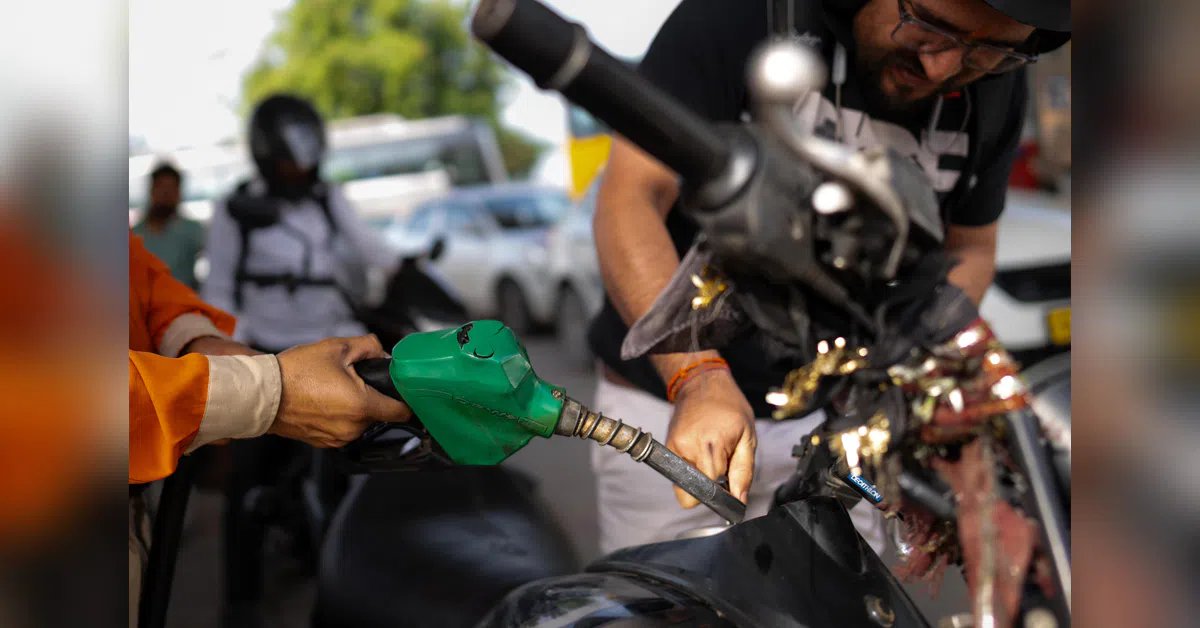
The recent increase in petrol and diesel prices is beginning to pinch household budgets. Many consumers report higher transportation and service costs and plan to cut back on travel, according to a new survey by LocalCircles.
The survey received over 41,000 responses from household consumers across 308 districts in India. Of the respondents, 62 per cent were men and 38 per cent were women. Around 42 per cent were from Tier-I districts, 31 per cent from Tier-II and 27 per cent from Tier-III, Tier-IV and Tier-V districts.
The findings come after petrol and diesel prices increased by ₹2.61 per litre and ₹2.71 per litre, respectively, on Monday, marking the fourth fuel price revision by oil marketing companies in under two weeks. Following the latest hike, the price of regular petrol in Delhi has crossed the ₹100-per-litre threshold, reaching ₹102.12 per litre, while diesel is now retailing at ₹95.20 per litre.
Since May 15, OMCs have cumulatively raised petrol prices by ₹7.38 per litre and diesel prices by ₹7.52 per litre, amid mounting losses driven by the sharp surge in global crude oil prices.
Rising costs affecting daily expenses
The survey showed that 55 per cent of respondents said transportation costs had gone up due to the recent hikes. Another 55 per cent said the prices of some products had increased, while 50 per cent reported higher costs for services.
Fuel price increases usually push up logistics and transport expenses, which are often passed on to consumers through higher prices for food, daily-use goods and other services. This means even households that do not rely heavily on private vehicles are feeling the impact.
However, the survey stated that around 30 per cent of respondents said the hikes had not affected their household budgets significantly so far.
Consumers changing spending habits
To cope with the rising fuel costs, 71 per cent of respondents said they would reduce non-essential travel and outings.
The survey also found that 35 per cent plan to combine trips and optimise travel frequency, while 29 per cent said they may shift to lower-cost transport options such as public transport, vehicle pooling or cheaper app-based services.
Another 29 per cent said they would cut spending in other household areas to offset fuel expenses. Nearly one-fourth said they would look for cheaper or nearby sources for products and services to reduce travel-related costs, while 18 per cent plan to delay leisure travel or other discretionary spending.
[ad_2]
Source link