


[ad_1]
At a September 29 meeting, the CAQM reviewed preparations in Delhi, Punjab, Haryana and Uttar Pradesh and called for strict and time-bound enforcement of its pollution-control measures.
One of the key measures begins from October 1, with restrictions on fuelling vehicles without a valid Pollution Under Control Certificate (PUCC) coming into force across NCR. Authorities are preparing to use automatic number plate recognition (ANPR) systems at fuel and CNG stations to enforce the rule.
The regulator also reviewed restrictions on the entry of BS-IV and older transport and commercial goods vehicles into Delhi, along with plans to shift buses entering the capital towards cleaner modes.
Stubble burning under watch
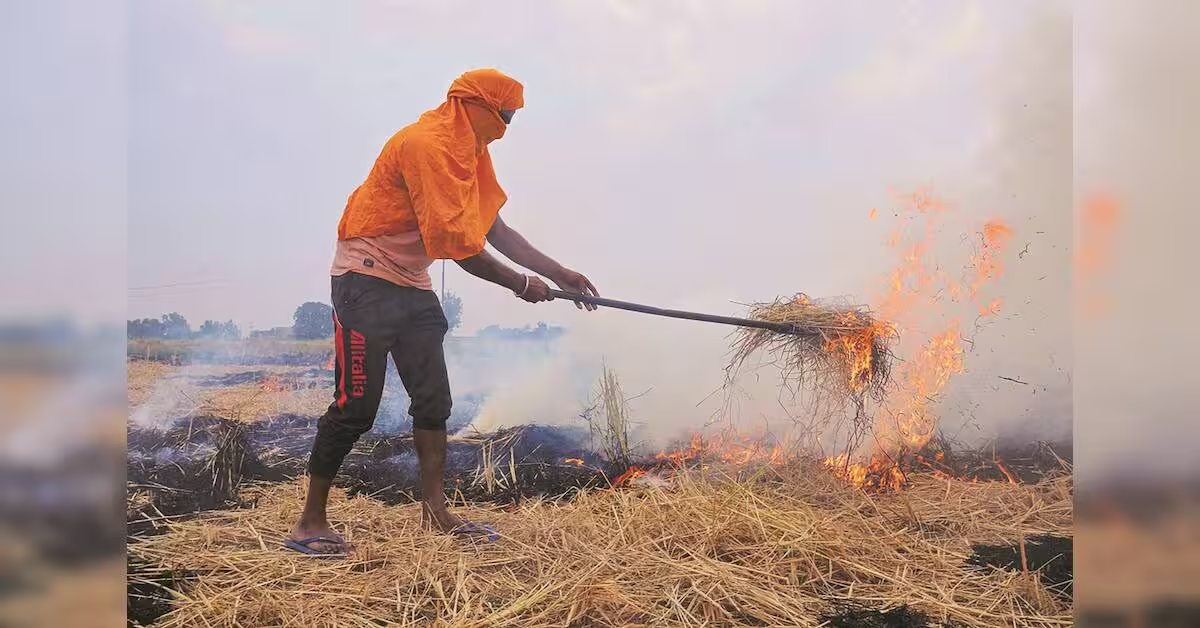
Between September 15 and 30, 114 residue-burning incidents were detected across the six states, with Punjab accounting for 59 and Uttar Pradesh 32.
Farmers burn crop residue to clear fields before sowing the next crop. Under its 2026 action plan, the CAQM has asked Punjab, Haryana and Uttar Pradesh to work towards eliminating paddy stubble burning through measures including crop diversification, direct-seeded rice and greater use of crop residue.
Crackdown on older vehicles
The CAQM has also asked agencies to intensify action against end-of-life vehicles, including impounding and scrapping them in line with a Supreme Court order. It is also monitoring the planned phase-out of diesel auto-rickshaws across NCR by December 31, 2026.
Cleaner-mobility rules for cab aggregators, delivery companies and e-commerce firms will also face compliance checks, including surprise inspections.
The regulator is simultaneously targeting industrial emissions, stone-crushing units, construction and demolition sites and road dust. Agencies have been asked to deploy additional mechanical road-sweeping machines at identified dust hotspots before winter. Surprise inspections of construction sites, industries and diesel generator sets will continue.
The push comes even as Delhi recorded its lowest September average AQI in five years, at 102, according to separate government data. The CAQM’s latest review signals that authorities are seeking to act before winter conditions begin trapping pollutants across the region.
[ad_2]
Source link