[ad_1]
In a major push to curb air pollution, the Union government has approved Naya Safar Yojana for Delhi-NCR with an outlay of ₹9,585 crore. The scheme aims to replace more than 200,000 ageing commercial vehicles by making it easier for owners to switch to BS-VI-compliant or electric vehicles (EVs) through subsidies, tax concessions, fuel benefits, and easier financing.
What is the Naya Safar Yojana?
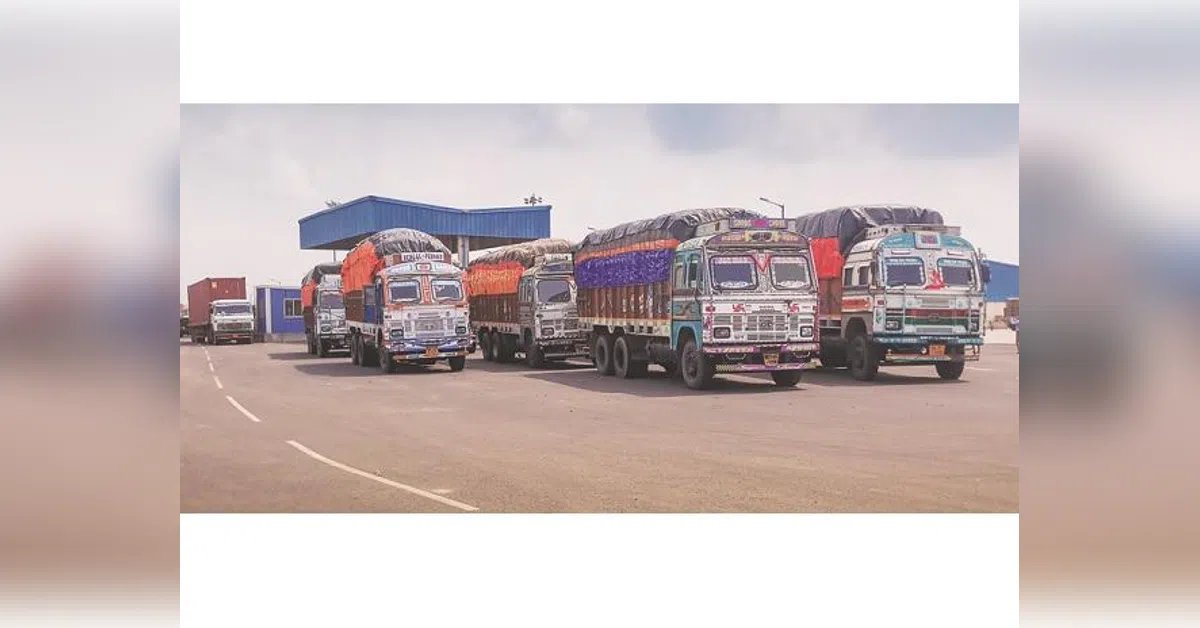
The scheme is expected to benefit around 207,000 commercial vehicle owners, including nearly 191,000 lakh trucks, and 16,329 buses. Eligible owners will receive financial support to replace older vehicles with cleaner models, while government-owned vehicles are not covered under the programme.
The main objective is to reduce vehicular pollution, which remains one of the biggest contributors to poor air quality in Delhi-NCR.
What benefits will vehicle owners receive?
The scheme combines support from the Centre, state governments, oil marketing companies, and vehicle manufacturers. Eligible owners can receive:
-
5 per cent reduction in the interest charged on vehicle loans for five years -
Monthly fuel vouchers worth up to Rs 4,800, depending on the vehicle category -
Registration fee waivers -
Up to 100 per cent concession on motor vehicle tax for eligible new vehicles and 50 per cent concession for eligible used vehicles for up to 10 years -
Waiver of pending road tax and fitness penalty liabilities on eligible old vehicles -
Discounts from participating vehicle manufacturers -
Additional one-time benefits for electric vehicle purchases, where applicable
The entire process will be managed through a Naya Safar portal, which will verify eligibility, process applications, automate benefit disbursal, and monitor pollution reduction. The scheme will remain open for enrolment for two years, while certain central benefits will continue for up to five years after a new vehicle is registered.
Which vehicles are eligible?
The scheme targets commercial trucks and buses operating in Delhi-NCR that comply with BS-IV or older emission standards. However, there are different rules depending on the vehicle’s age:
-
BS-III and older vehicles must be scrapped at authorised Registered Vehicle Scrapping Facilities -
BS-IV vehicles can either be scrapped or sold outside the NCR in non-National Clean Air Programme (NCAP) cities before owners purchase a replacement -
The replacement vehicle must meet BS-VI or stricter emission norms, or be an electric vehicle where applicable
The Delhi government will issue detailed operational guidelines and standard operating procedures to implement the programme smoothly.
Why the scheme targets trucks and buses
A joint study conducted by the Automotive Research Association of India (ARAI) and The Energy and Resources Institute (TERI) for Delhi-NCR highlighted –
-
The transport sector contributes 14 per cent of PM2.5 emissions in Delhi-NCR -
It is responsible for 40 per cent of carbon monoxide emissions -
It accounts for 63 per cent of nitrogen oxide emissions -
Although trucks and buses make up only about 3 per cent of the vehicle fleet, they generate 36 per cent of transport-related PM2.5 pollution
The study estimates that a heavy commercial vehicle built before Bharat Stage (BS)-VI emission standards came into effect can produce as much pollution as 14 BS-VI-compliant vehicles. Similarly, a BS-IV vehicle, which follows older emission norms, emits around 2.7 times more pollution than a BS-VI vehicle. Replacing these older vehicles is therefore expected to significantly reduce emissions.
[ad_2]
Source link