

The MOU signed in June was designed to bring about a ceasefire and at least partly reopen the Strait of Hormuz.
The 14-point agreement said Iran would never have a nuclear weapon. It noted that the US, Iran and their allies would end military operations on “all fronts” and contained provisions including ending a US naval blockade and other sanctions.
It also said Iran would “make arrangements using its best efforts for the safe passage of commercial vessels” through the strait.
But the deal fell apart after both sides resumed strikes. Iran has attacked vessels it says have attempted to cross the strait without authorisation.
The US has attacked Iranian sites in the strait – as well as Iranian tankers off the country’s coast. It has also maintained a blockade of Iranian ports, causing huge disruption to the Iranian economy.
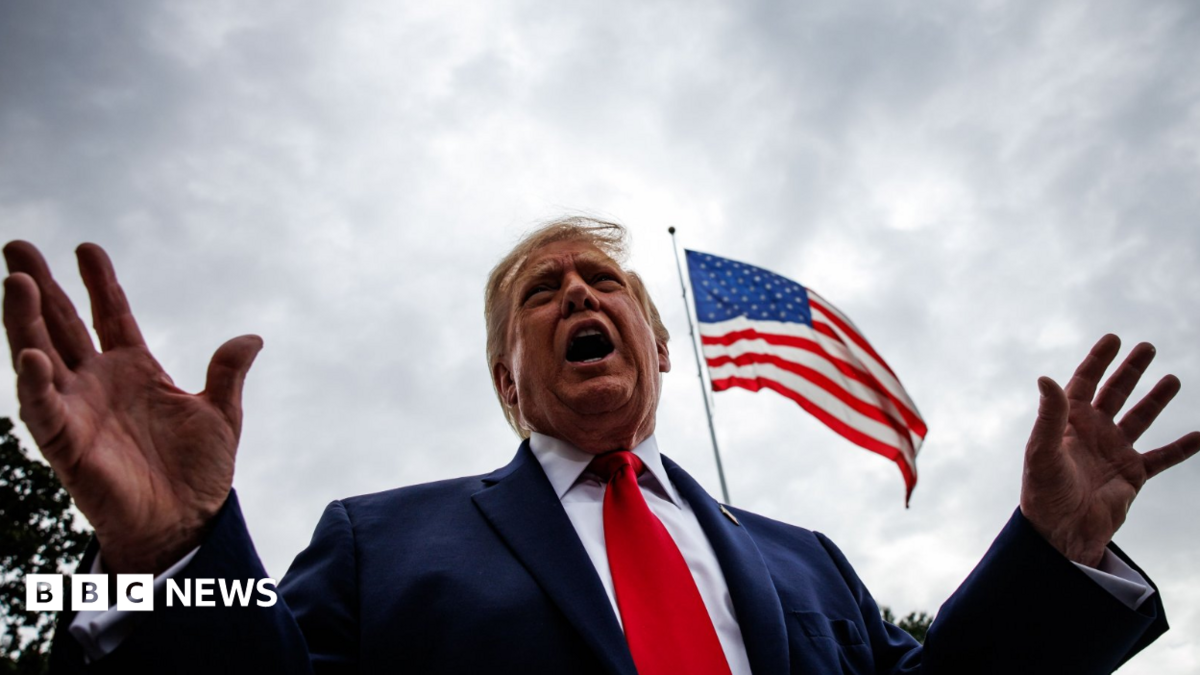
Trump has since claimed the US has been successful in getting oil out through the Strait of Hormuz.
Shipping data shows a recent 10-day average of about 18 transits per day, with numbers dropping as low as nine vessels on certain days, according to Kpler, a commodities analytics firm cited by Reuters.
The situation has been exacerbated by Houthi attacks on Saudi oil installations.
Yemen’s Houthis – allied to Iran – have recently intensified attacks aimed at disrupting Saudi oil exports via the Red Sea, on the other side of the Arabian peninsula to the Strait of Hormuz.
The group seized strategic stretches of Yemen’s Red Sea coast this month, including the port of Mokha, which overlooks the Bab al-Mandab Strait, another chokepoint for global shipping.